
Why This Natural Byproduct is Transforming Soil Health and Sustainable Growing
– by Austin Lynn
Coconut coir, often referred to simply as coco coir, is earning its place as a superstar in both gardening and agriculture. This eco-friendly material is derived from the fibrous husk of the coconut. It offers remarkable benefits as a soil amendment. It is also beneficial as a planting medium. Its popularity is rising among home gardeners, greenhouses, and commercial growers alike—not just for its performance, but also for its positive impact on the environment.
What is Coconut Coir?
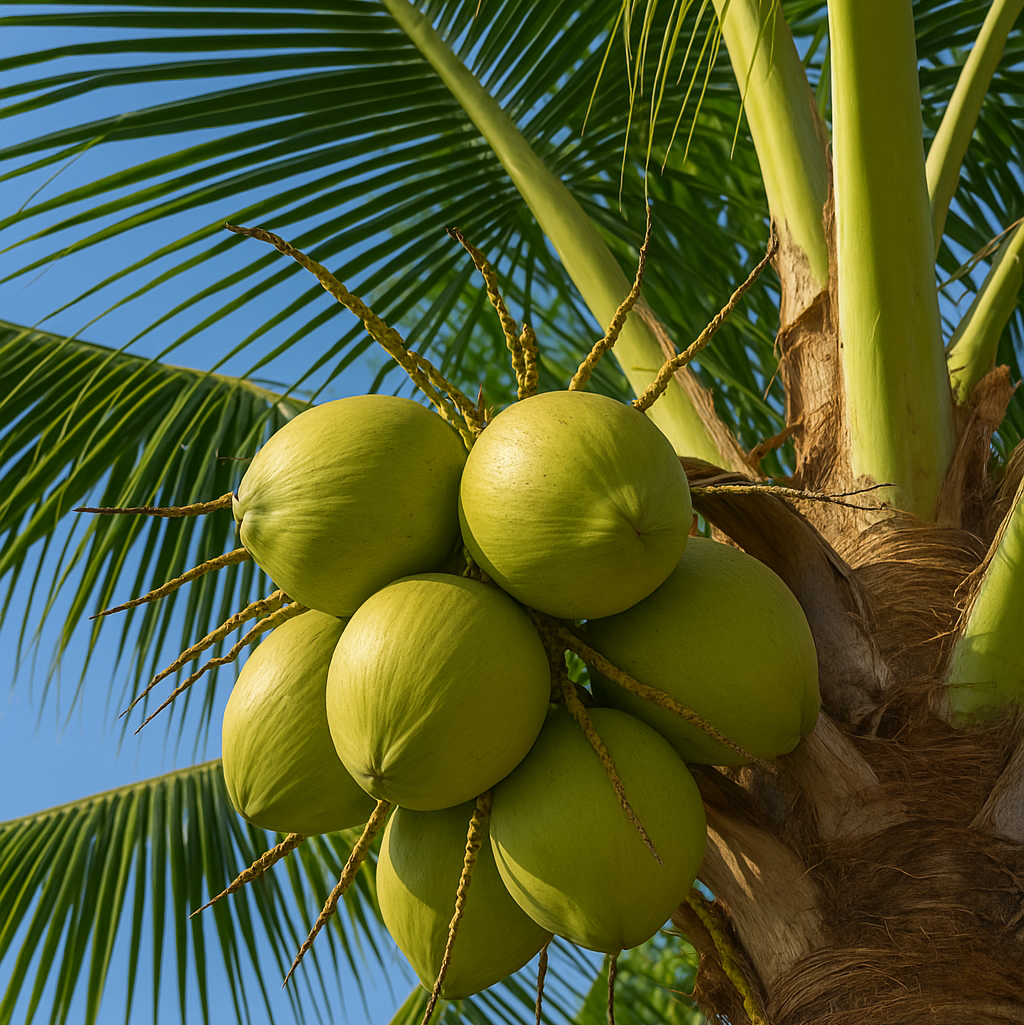
Coconut coir is the natural fiber extracted from the outer husk of coconuts. After coconuts are harvested for food or oil, the leftover husk is processed into a fluffy, brown material used in various horticultural applications. This sustainable practice turns agricultural waste into a valuable gardening resource.
Key Benefits of Coconut Coir
- Renewable and Sustainable Resource: Unlike peat moss—which takes centuries to regenerate—coconut coir is a renewable byproduct of the coconut industry. Coconuts are harvested multiple times per year across tropical regions, ensuring a steady, eco-friendly supply.
- pH Neutral: Coco coir typically boasts a pH between 5.5 and 7.0, making it neutral or slightly acidic. This range is ideal for most plants, helping to create a welcoming environment for roots to thrive.
- Superior Water Retention: Coir can hold up to ten times its weight in water. This impressive retention ability ensures that roots have consistent moisture, reducing the risk of over- or under-watering.
- Excellent Drainage and Aeration: While it holds water well, coconut coir also drains efficiently and doesn’t compact. This creates air pockets within the planting medium, preventing root rot and promoting healthy root development.
- Better Alternative to Peat Moss: Peat moss extraction can lead to the destruction of unique wetland habitats and release stored carbon. Coconut coir, as an agricultural byproduct, is a more sustainable and environmentally responsible option.
- Resistant to Pests and Diseases: The structure and chemistry of coconut coir make it less hospitable to many soil-borne pathogens and pests, helping to keep plants healthier naturally.
Example Use-Case Applications
- Seed Starting: Its fine, airy structure provides the perfect medium for germinating seeds and nurturing young seedlings.
- Hydroponic Systems: Coconut coir is a favored choice for soilless growing operations, offering structure and moisture without soil-borne contaminants.
- Potting Mixes: Mixed with compost or perlite, coco coir enhances water retention and drainage in houseplants and container gardens.
- Soil Amendment: Blending coir into garden beds or landscapes improves soil texture, especially in heavy clay or sandy soils.
- Worm Farming: As bedding, coconut coir provides a comfortable and balanced environment for composting worms.
The Coconut Farming Industry and Coir Production
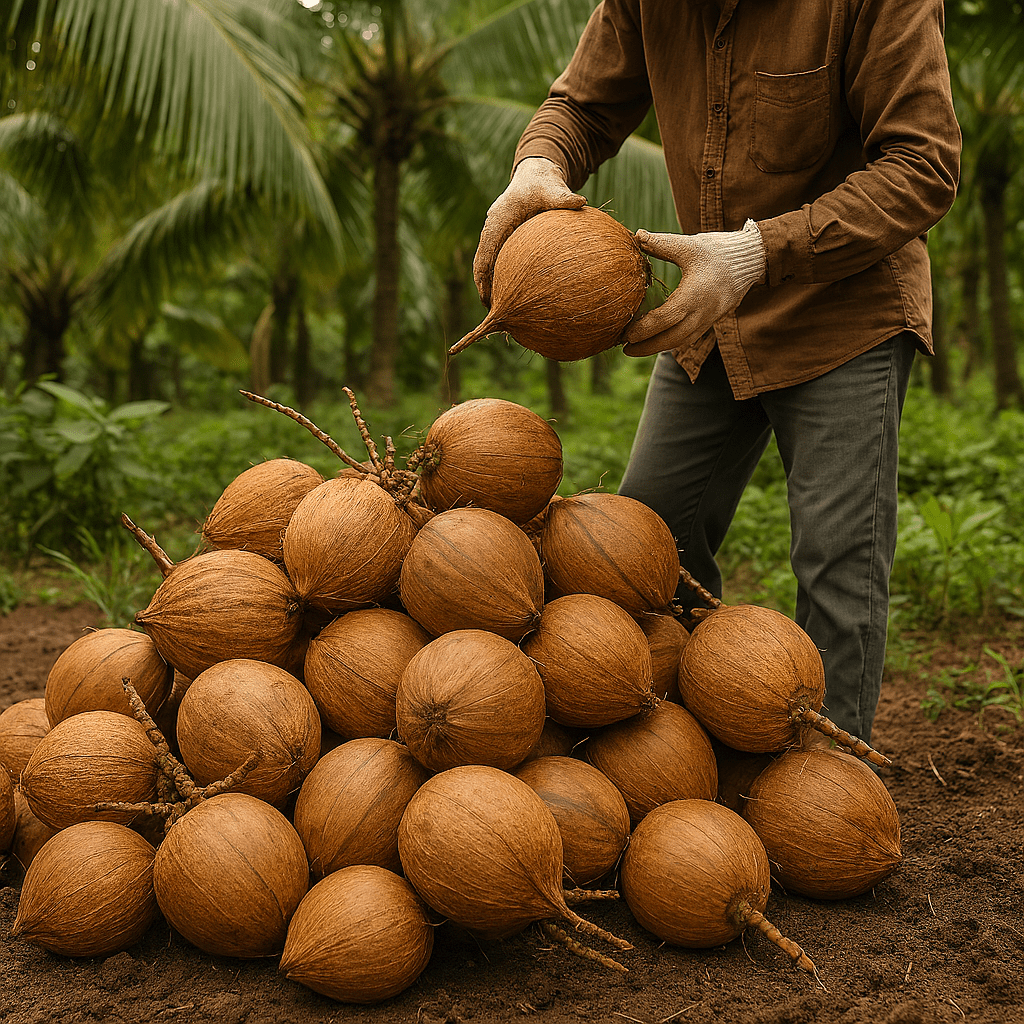
The coconut palm is a vital crop in tropical regions, supporting millions of farming families across Asia, Africa, and the Americas. Traditionally, coconut husks were discarded as waste. The advent of coir processing has transformed this byproduct into a valuable commodity, creating new streams of income and reducing environmental waste.
Coconut coir production not only supports rural economies but also promotes sustainable agriculture. By utilizing every part of the coconut, farmers maximize their harvest’s value and minimize waste, making coconut farming more efficient and eco-conscious.
Conclusion
From its eco-friendly roots to its versatile applications and plant-friendly properties, coconut coir stands out as an exceptional soil amendment and growing medium. As awareness of sustainable gardening practices grows, coconut coir is sure to remain a cornerstone of responsible, high-performing horticulture.
Where to Find Coconut Coir
Whether you’re a seasoned gardener or just beginning your plant journey, coconut coir is more accessible than ever. Here are some convenient options for sourcing this sustainable growing medium:
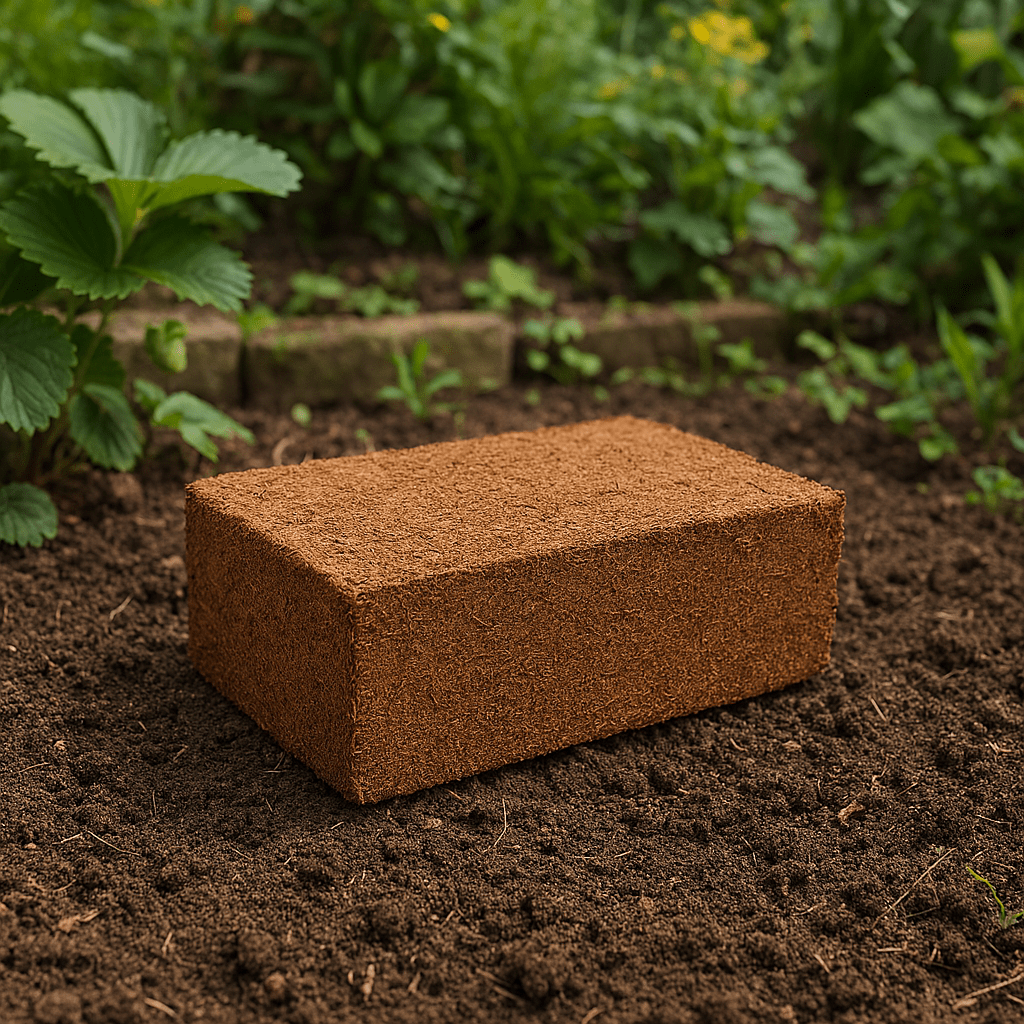
- Online Vendors: Major platforms like Amazon and Home Depot offer a variety of coconut coir products, from compact bricks to loose fibers, shipped straight to your door.
- Specialty Gardening Stores: Many local and regional stores specializing in horticultural supplies carry coconut coir in various forms, allowing you to support small businesses and ask questions in person.
- Garden Social: Look no further than your local Garden Social! We stock premium 100% OMRI-listed organic coconut coir blocks, sourced from family-owned farms in Sri-Lanka, and can help you choose the perfect option for your unique gardening needs.
No matter your preferred shopping method, coconut coir is just a few clicks—or a short trip—away, making it easy to enhance your gardening projects with this eco-friendly resource.
 Garden Social
Leave a comment