
A gardener’s roadmap to understanding, nurturing, and thriving in the challenging soils of the Sonoran Desert
– By Austin Lynn, Garden Social AZ🌿
Gardening in Southern Arizona is an act of optimism—a belief that beauty can defy severity, that color and life can flourish despite the odds. If you have ever picked up a shovel in Phoenix, Tucson, Sierra Vista, or Nogales, you’ve likely encountered soil that seems to defy all intention to nurture. It’s powder-dry one moment, a sticky mass the next, and sometimes, as if by magic or curse, there’s a pale, cement-like layer lurking just beneath the surface, known as caliche.
This guide is your companion through the beguiling complexities of Southern Arizona’s clay and caliche soils. Whether you’re coaxing tomatoes from a backyard plot, encouraging bougainvillea to climb sun-drenched walls, or dreaming of a lush desert landscape, the first step is understanding the earth beneath your feet.
Understanding Soil Types: The Foundation of Gardening
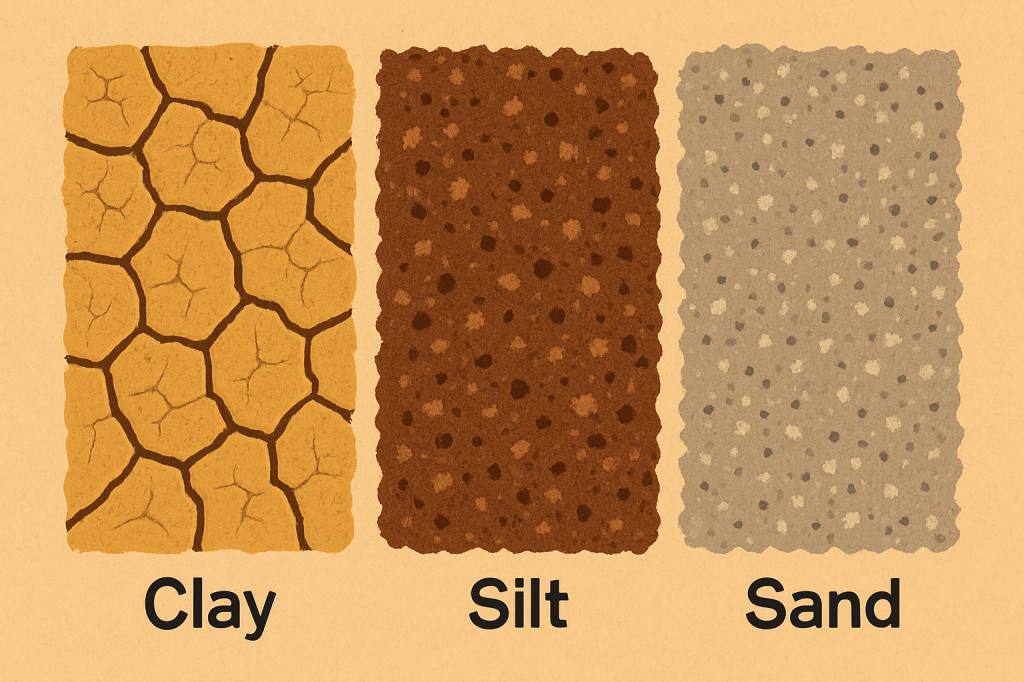
Before you can make amends with your garden, it’s essential to understand the types of soils that shape the landscape of Southern Arizona. Soils, broadly speaking, are categorized into three primary types—sand, silt, and clay—based on particle size. Each has distinct properties that affect water movement, nutrient retention, and the overall health of plants.
- Sand: These soils are made up of large, coarse particles. They feel gritty and drain water rapidly, but are poor at holding onto nutrients or moisture.
- Silt: Silty soils have medium-sized particles that retain water and nutrients better than sand but drain more slowly than sandy soils.
- Clay: Clay is composed of tiny, flat particles that pack tightly together. This soil type drains slowly but holds onto moisture and nutrients exceptionally well—sometimes too well for a plant’s liking.
In Southern Arizona, you’ll encounter a mix of clay and caliche, often with deceptive surface appearances. The blend of mineral particles, organic matter, and underlying geological formations creates a unique set of challenges for gardeners.

The Arizona Gardener’s Struggles: Summer Evaporation, Winter Waterlogging
Gardening in the Sonoran Desert is a balancing act, with each season presenting its own set of trials. In the summer, temperatures routinely soar, and moisture can vanish almost as soon as it’s applied. This rapid evaporation caused by the relentless sun can leave the soil’s surface dry and cracked, creating the illusion that water has drained away. In reality, clay soil’s low permeability means water sits just below the parched surface, inaccessible to plants that have developed shallow roots from frequent light watering. The result is plants stressed from dehydration and heat, with roots unable to reach the cool, moist depths they need for survival.
Contrast this with the winter months, when cooler temperatures slow evaporation and water lingers within the dense clay matrix. At first glance, this seems like a blessing, but excess water trapped in clay soils can suffocate roots, restricting oxygen flow and creating the perfect conditions for root rot. Gardeners must remain vigilant, balancing their watering schedule to prevent both drought stress in summer and waterlogging in winter—a dual challenge unique to this desert region.
Desert Clay Soil Alkalinity: A pH Puzzle
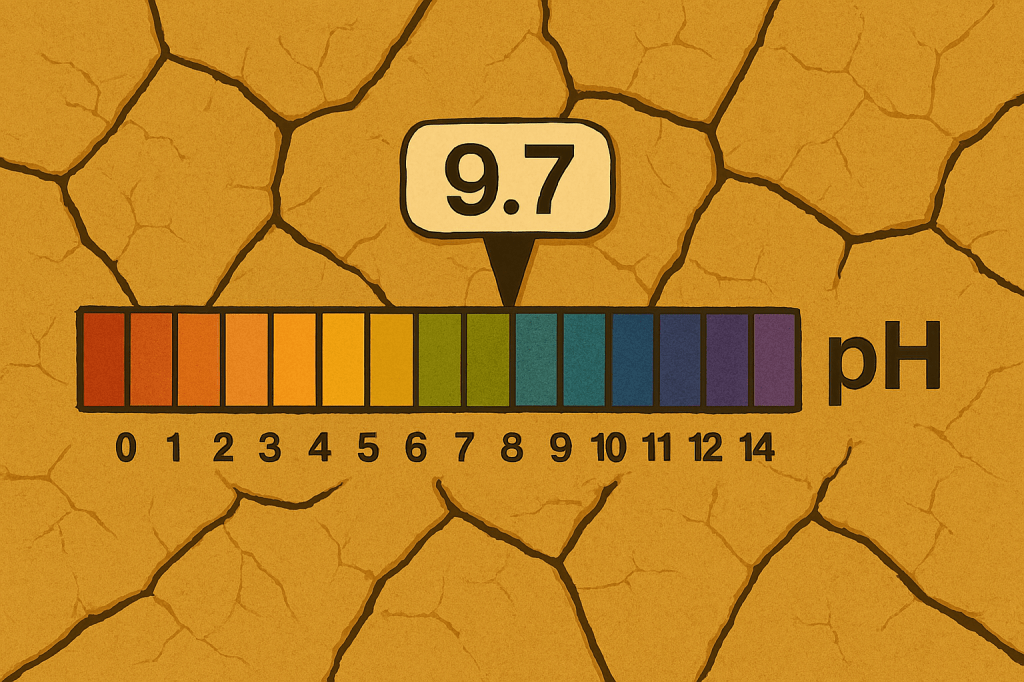
Beyond the challenges of water management, Southern Arizona’s clay soils are naturally alkaline, thanks to the abundance of calcium carbonate and an overall lack of decomposing organic matter. This stands in sharp contrast to the acidic soils of forests or grasslands in wetter regions, where fallen leaves and rich humus continually lower soil pH.
Alkaline soils can limit the availability of essential nutrients, such as iron, manganese, and phosphorus, leading to nutrient deficiency symptoms like yellowing leaves and stunted growth. Many garden favorites—roses, blueberries, azaleas, and certain vegetables—prefer a slightly acidic to neutral soil, making pH management a vital step in Southwest gardening.
Before planting, gardeners should test their soil’s pH and consider amending it to create more balanced conditions. A target pH for most garden and landscape plants is between 6.0 and 7.0.

Amending Clay Soil: Cultivating Possibility
Successfully gardening in clay soil requires thoughtful amendment to counteract both its physical and chemical challenges. Here are key recommendations for transforming stubborn clay into productive garden beds and vibrant landscapes:
- Add Organic Matter: Incorporate generous amounts of compost, well-rotted manure, peat moss, or leaf mold. Organic matter not only improves drainage and aeration but also introduces acids that help lower pH and increase nutrient availability.
- Use Gypsum: In areas with sodic or hard clay, applying gypsum (calcium sulfate) can help break up soil particles, improving permeability without raising pH. Gypsum is most effective when followed by deep watering to move it through the soil profile.
- Avoid Sand Alone: Adding sand to clay may worsen compaction and create a concrete-like texture. Always mix sand with copious organic matter if used as part of a soil amendment.
- Use Probiotic Fertilizers: Using probiotic fertilizer introduces beneficial microbes that break down organic matter, create soil aggregates, and form microscopic channels — all of which help loosen compacted clay and improve aeration. These microbes also enhance root growth and water infiltration, transforming dense soil into a healthier, more breathable environment for plants.
- Mulch Regularly: Topdressing with organic mulch (such as wood chips, bark, or straw) suppresses evaporation, insulates root zones, and gradually enriches the soil as it decomposes.
- Test and Monitor: After amending, retest soil pH annually and observe plant health for signs of nutrient imbalance. Adjust amendments as needed to maintain optimal conditions.
By understanding and addressing the underlying chemistry and structure of desert clay, gardeners can dramatically improve water movement, root growth, and nutrient uptake, paving the way for thriving gardens despite the odds.

Soil Permeability: How Water Moves Beneath the Surface
A critical concept for gardeners is permeability: the rate at which water moves through soil. Permeability determines not only how quickly your garden dries out after watering but also how deeply moisture travels—key for developing strong root systems.
- Sandy soils have high permeability. Water flows through quickly and is often lost before plants have a chance to absorb it or before it can replenish deep roots.
- Clay soils have low permeability because their tiny particles clump together, leaving little space for water to move. This can lead to puddling and runoff during heavy watering, but paradoxically, the surface can look dry while the subsurface remains damp.
- Caliche layers (hardened deposits of calcium carbonate common in the Southwest) are almost impermeable. Caliche acts as a barrier, preventing water penetration, leading to shallow root systems and, ultimately, plant stress.

Common Misconceptions: Clay vs. Sand in the Desert Landscape
One of the most enduring myths among new and seasoned gardeners alike is that desert soils must be sandy—after all, deserts are made of sand, aren’t they? In Southern Arizona, this is rarely the case. Because the surface can dry and crack quickly under the relentless sun, it’s easy to mistake these dry, hard soils for sand. In reality, what you’re witnessing is not rapid drainage but rapid evaporation combined with low permeability.
When you water clay-rich soil in the summer, the top inch may dry out in a matter of hours, leading many to believe the soil isn’t retaining water. The truth is, the water is often stuck just below the surface or, worse, unable to penetrate at all if a caliche layer is present. The result? Many gardeners water frequently, applying small amounts of water that only moisten the topsoil. The roots of your plants adapt by staying shallow, near the surface where water is available. Come mid-June, when temperatures soar and humidity plummets, these plants suffer exaggerated stress because their roots never had the chance to grow deep and resilient.
The Root of the Issue: Shallow vs. Deep Rooting
Healthy roots are the anchor and lifeline of any plant. In the arid Southwest, deep rooting is essential for survival, allowing plants to access moisture reserves far below the surface and withstand periods of drought and intense heat.
Frequent, shallow watering is a gardener’s trap. It feels necessary when the surface appears dry, but it actually encourages roots to stay at the surface—precisely where conditions are harshest. Shallow roots are more vulnerable to drying, heat, and damage, while deeper roots are buffered from these extremes.
To encourage deep roots:
- Water less often but for longer periods, allowing moisture to soak deep into the soil.
- Mulch the soil surface to reduce evaporation and moderate soil temperature.
- Break through caliche or compacted layers, if possible, by digging or using a soil auger to create pathways for water and roots.
Strategies for Gardening Success in Southern Arizona’s Clay and Caliche Soils
Gardening in extreme soils requires both adaptation and innovation. Here are practical steps you can take to nurture your landscape:
1. Know Your Soil
Dig several small holes in different parts of your garden and observe the soil. Does it clump and stick to your shovel (clay)? Does it feel powdery? Do you hit a hard, pale layer a few inches down (caliche)? Understanding your starting point helps you adapt your gardening techniques.
2. Amend, Don’t Replace
While it’s tempting to truck in “better” soil, amending your native clay with organic matter (compost, well-rotted manure, or leaf mulch) is more sustainable and effective. Organic matter improves permeability, aeration, and nutrient availability.
3. Mulch, Mulch, Mulch
A thick layer of organic mulch (straw, bark, pecan shells) not only preserves moisture but also feeds beneficial soil organisms and insulates plant roots from temperature swings.
4. Choose the Right Plants
Select plants that are adapted to clay soils and low-water conditions. Many native Sonoran Desert species (such as mesquite, acacia, and desert willow) thrive in these challenging soils. For edibles, consider varieties known for tolerance to heavy soils.
5. Water Wisely
Use drip irrigation or soaker hoses to deliver water slowly and deeply. Water early in the morning or late in the evening to minimize evaporation. During the summer, resist the urge to water too frequently—test soil moisture a few inches down before watering again.
6. Break Up Caliche—If You Can
If you encounter caliche, try breaking it up physically in planting areas. For large-scale hardpan, raised beds can offer a solution, providing excellent drainage and root space above the barrier.
Turning Obstacles Into Opportunity
Garden Social provides Arizona residents with comprehensive information and guides that share real-world facts about the practical challenges associated with gardening and landscaping in the Sonoran Desert. Our expert guides emphasize key considerations to assist growers in making informed decisions.
Southern Arizona’s clay and caliche soils present real challenges, but they also offer a unique canvas for resilient and resourceful gardeners. By embracing the realities of your soil—understanding its quirks and gifts—you can foster healthier plants, more efficient water use, and landscapes that thrive, not despite the desert, but because of it.
Gardening here is not just about fighting the soil; it’s about learning from it. With patience, observation, and a willingness to adapt, your garden can become a lush oasis in the midst of the desert—rooted deeply in the very earth that once seemed impossible.
 Garden Social
Leave a comment