
How Sonoran Dust Storms Can Nurture Green Spaces
By Austin Lynn, Garden Social AZ LLC
When we think of haboobs—those impressive, towering walls of dust that race across arid landscapes—we often imagine chaos, grit, and damage. Yet, beneath their dramatic appearance, haboobs can offer surprising benefits for garden plants and soil, weaving a story where nature’s raw power becomes a subtle gardener’s ally.

What Is a Haboob?
A haboob is a type of intense dust storm carried on atmospheric gravity currents, often observed in arid regions such as the deserts of North Africa, the Middle East, and the southwestern United States. Derived from the Arabic word “habb,” meaning “to blow,” haboobs can rise thousands of feet high, stretching for miles as they surge forward. While their initial impression is one of destruction, these events are also an integral part of the natural cycles in the landscapes they shape.
Here in the Sonoran Desert, haboobs share many characteristics with the mighty dust storms of the African Sahara. Both arise from powerful thunderstorm downdrafts that lift dust and sand, redistributing minerals and shaping local ecosystems. While Sahara haboobs may travel farther, Sonoran haboobs follow the same natural rhythms—transforming the land and nurturing life in their wake.
Enrichment of Soil Nutrients
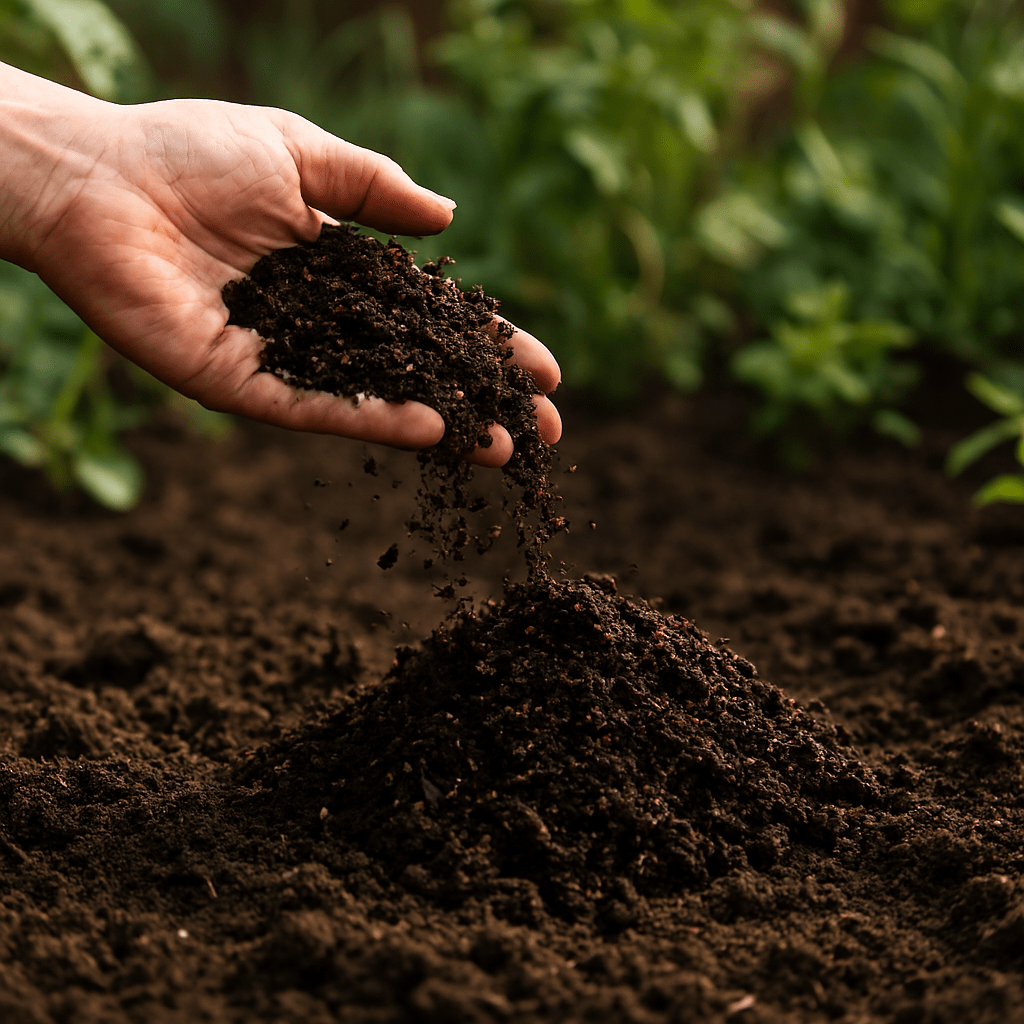
One of the most significant, if underappreciated, benefits of a haboob is the transfer and deposition of mineral-rich dust onto garden soil. Dust particles lifted by strong winds are often composed of finely ground rock and organic matter from distant terrains. When this dust settles, it acts as a natural fertilizer.
- Mineral Infusion: The dust delivered by a haboob can carry essential micronutrients such as potassium, calcium, magnesium, and iron. These elements are critical for plant growth and can help supplement soils that are depleted or otherwise lacking.
- pH Balance: In some cases, the minerals in the dust can help buffer acidic soils, creating a more neutral pH that is conducive to a wider variety of plants.
- Microbial Activity: Fresh mineral content encourages the activity of beneficial soil microbes, which in turn support nutrient cycling and plant health.
Moisture Retention and Soil Structure
Another subtle but important benefit is the influence of haboob dust on soil texture and water retention.
- Improving Soil Texture: The addition of fine dust particles can help sandy soils retain more water and nutrients by increasing their capacity to bind together, which reduces runoff and erosion. In contrast, clay-rich soils may benefit from the introduction of sandier particles, which improve drainage and prevent compaction.
- Crust Formation: When the dust settles and is moistened by dew or irrigation, it can form a thin crust on the soil surface. This crust helps reduce evaporation and water loss, insulating the moist lower layers of soil—essential during hot, dry periods.
Seed Dispersal and Germination
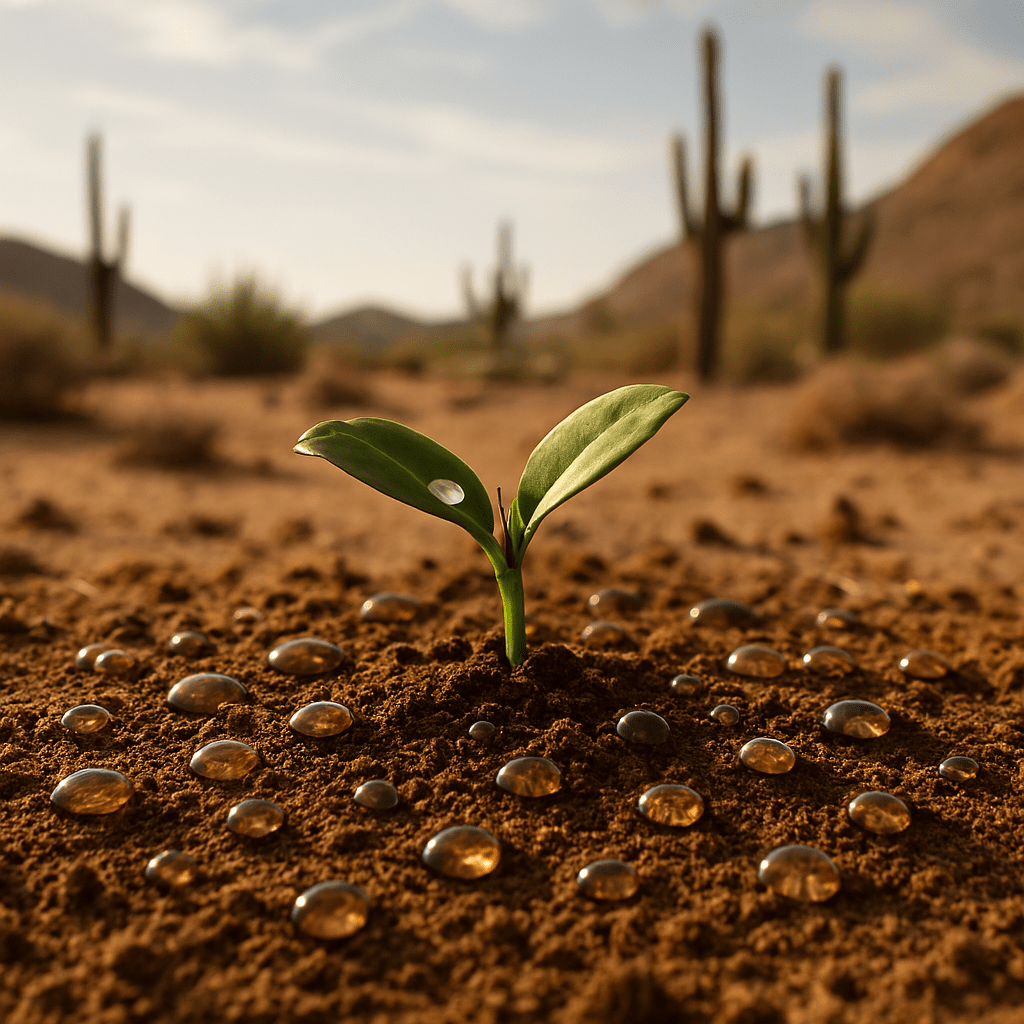
Haboobs can play a role in seed dispersal, carrying seeds of native plants and wildflowers into new areas. For gardens, this can result in the unplanned arrival of drought-tolerant, native species that add biodiversity and resilience.
- Protection and Cover: Dust can cover seeds lying dormant on or just below the soil surface, protecting them from the harsh sun, birds, or insects. When rain follows a haboob, these seeds have an opportunity to germinate in a nutrient-rich environment.
Pest and Pathogen Suppression
Though not always consistent, the powerful winds and dust of a haboob can disrupt the life cycles of certain garden pests and pathogens.
- Physical Removal: The wind and sand can physically remove or bury small insects such as aphids, mites, or the larvae of soil-dwelling pests.
- Drying Effect: The rapid drop in humidity and sandblasting effect can temporarily hinder the growth of fungal pathogens or reduce populations of soft-bodied pests that thrive in more stable, moist conditions.

Stimulation of Plant Defenses
Strangely enough, the brief stress caused by abrasive winds and dust can “train” plants to strengthen their defenses. This phenomenon, called “priming,” involves exposing plants to mild stress, making them more resilient to future challenges.
- Thicker Cuticles: Plants may respond to the dust and wind by developing thicker waxy layers on their leaves, which conserve water and reduce sunburn risk.
- Deeper Root Growth: Minor physical disturbance to the soil surface may encourage seeds and seedlings to develop more robust roots, anchoring them more deeply and making them better able to withstand future drought or wind events.
Natural Mulching and Erosion Control
The layer of dust deposited by a haboob acts much like a mulch. It shades the soil, suppresses the growth of weeds, and reduces erosion caused by wind and water.
- Weed Suppression: By forming a light barrier over the soil, the dust can inhibit the germination of weed seeds, giving desirable plants a better chance to thrive.
- Erosion Reduction: In areas prone to wind or water erosion, the additional material settles and helps anchor the topsoil in place, preventing the loss of fertile ground.

Potential Caveats and Responsible Gardening
Of course, not all consequences of a haboob are beneficial. These storms can carry pollutants, allergens, or even harmful microorganisms. Gardeners should take a balanced view—using the opportunity to enrich and renew their gardens, while washing edible leaves and monitoring for any signs of plant stress or disease.
- Rinsing Produce: After a haboob, a gentle rinse of leafy greens, herbs, and vegetables is advisable to remove excess dust before consumption.
- Monitoring Soil Health: Test and observe your soil if haboobs are a frequent occurrence. Regular amendments and organic matter additions will ensure continued fertility without buildup of unwanted salts or pollutants.
Proactive Tips for Gardeners When a Haboob Approaches
When the horizon darkens and a haboob looms, thoughtful preparation can help lessen damage and maximize the storm’s surprising benefits. Here’s how gardeners can turn an impending dust storm into an opportunity:
- Apply Fresh Compost: Top your beds and planting areas with a layer of rich compost. This not only protects the soil from erosion and drying winds but also catches and locks in any nutrients delivered by the dust.
- Use Probiotic Fertilizer: Before the storm arrives, enrich your soil with a probiotic or biological fertilizer. The influx of dust and moisture can boost microbial activity, helping beneficial organisms establish themselves and break down organic matter faster.
- Secure Young Trees: Tie down saplings and stake newly planted trees to reduce the risk of uprooting or breakage. Use soft ties that won’t injure bark but keep trunks stable during strong gusts.
- Thin Top-Heavy Canopies: For mature native trees with dense, heavy canopies, prune excess growth to allow wind to pass more easily. This minimizes the chance of branches snapping or trees toppling. This is most important for Mesquite trees, Palo Verde, All Acacia, Tipu, Eucalyptus and Ironwood.
- Cover Tender Plants: Shield delicate seedlings and leafy greens with row covers, garden fabric, or upturned pots to prevent sandblasting from the blowing dust.
- Protect Water Features: Cover ponds, fountains, and birdbaths to keep out excessive debris and prevent contamination from storm particles.
- Harvest Ripe Produce: If you have fruits, herbs, or vegetables ready for picking, gather them before the storm to avoid grit and possible damage.
- Set Out Mulch: If you have extra mulch—wood chips, straw, or leaves—spread a fresh layer to lock in moisture, keep weeds at bay, and cushion the soil when the storm settles.
- Check Drainage: Ensure gutters, swales, and garden drains are clear of debris so any rainfall after the haboob moves water safely away from roots and foundations.
- Keep Tools Handy: Have rakes, hoses, and cleaning brushes ready for post-storm cleanup. Quick response can prevent issues and help your garden recover faster.
By acting before the storm hits, gardeners can transform a haboob into a chance for renewal, making their gardens more resilient and productive through the unpredictable cycles of desert weather.
Though haboobs are awe-inspiring and sometimes intimidating, their effects on garden plants and soil can be surprisingly positive. By naturally fertilizing, improving soil structure, aiding in seed dispersal, and even suppressing some pests and diseases, these storms highlight the complex interplay between weather and life on earth.
For gardeners in arid or semi-arid regions, a haboob’s passing need not be a source of despair. Instead, with a little understanding and care, their gardens can reap nature’s dusty bounty, transforming adversity into quiet abundance.

Garden Social offers a wide variety of helpful resources, plants, fertilizers, soil and beyond to the local community, right here in the City of Maricopa. Visit us in person at our local nursery and garden center! We additionally offer home-visit consultation, landscape service and garden design.
 Garden Social
Leave a comment