
Strategies for thriving gardens in a climate of dramatic change
By Austin Lynn, Garden Social AZ LLC
Gardening in the Sonoran Desert is a practice shaped by extremes: relentless sun, scant rainfall, and unpredictable bursts of sudden, life-giving storms. Each summer, monsoon season arrives, transforming the landscape—and presenting both opportunities and challenges for gardeners determined to coax beauty and bounty from the arid soil. With its towering thunderheads and sweet, earth-scented rains, the monsoon is much more than a meteorological event. It’s a time of renewal, rapid growth, and careful stewardship.
To make the most of the season, gardeners must understand not only its gifts but also the hidden risks, from flash floods to fungal blights. This article explores the benefits and perils of monsoon gardening, the vital role of humidity, the best timing for fertilization, and the fascinating impact of atmospheric carbon deposited into the soil by rain.

What is a Monsoon?
A monsoon isn’t simply a season of heavy rain—it is a dynamic, large-scale shift in atmospheric patterns that brings profound transformation to arid regions like the Sonoran Desert.
Driven by the sun’s relentless energy, a monsoon occurs when intense summer heat over land creates low-pressure zones that draw in moist air from surrounding oceans. As these moisture-laden winds collide with the desert’s warm, rising air, the result is a dramatic uptick in cloud formation, thunderstorms, and sometimes torrential precipitation.
In the Sonoran Desert, the monsoon is both a meteorological spectacle and a lifeline. The arrival of monsoonal winds signals the end of the parched early summer and the beginning of a period when life briefly flourishes. Towering cumulonimbus clouds build along the horizon, lightning crackles across the sky, and the scent of creosote rises as the first raindrops strike sun-baked earth. Temperatures may drop swiftly, and the air becomes rich with humidity—conditions that are rare and precious in a region defined by dryness.
For desert gardeners, the monsoon is an eagerly awaited phenomenon: an annual promise of relief, replenishment, and the dramatic interplay of elements that shape the cycle of life in one of the world’s most challenging environments.
The Sonoran Monsoon: A Double-Edged Sword
The Sonoran Desert’s monsoon season typically spans from late June to September, bringing sudden, often dramatic storms that break the summer drought. For gardeners, this is a period of opportunity. Rainfall can be both a blessing and a curse, capable of reviving dormant plants or sweeping away entire beds in a matter of minutes.
- Benefits: The most immediate advantage is the surge of available water. Desert-adapted plants, such as palo verde, mesquite, agave, and cacti, respond with a burst of growth, taking full advantage of the brief window when soil moisture is high. Seeds that have waited patiently in the parched ground often germinate within days of a good rain, transforming drab landscapes into carpets of green and wildflower color.
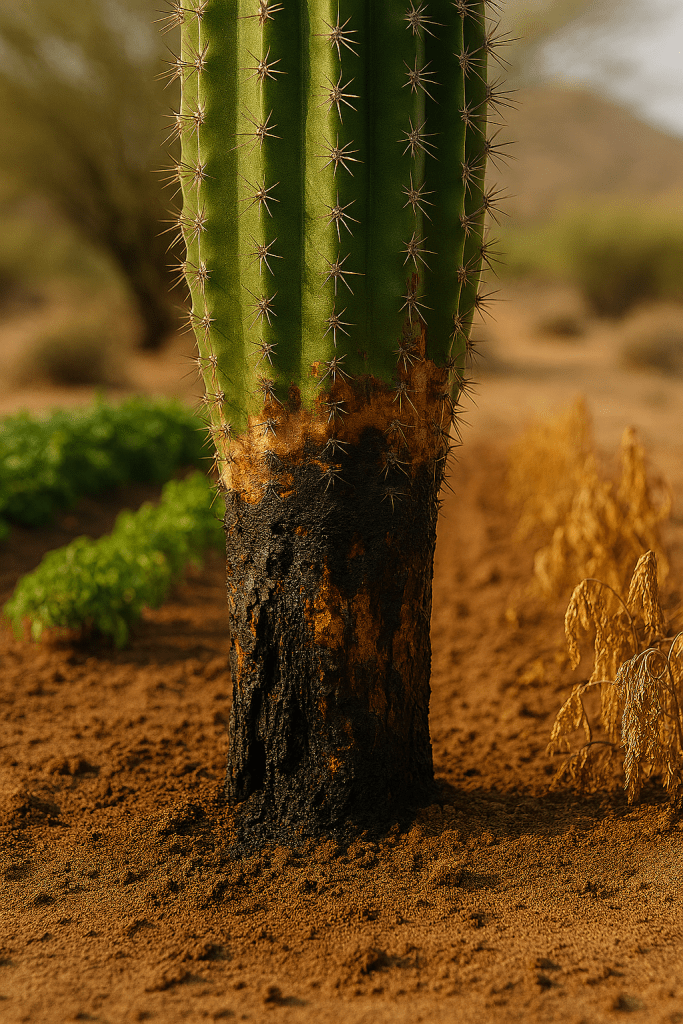
- Risks: But this bounty can be precarious. Torrential downpours lead to flash flooding, which erodes soil, uproots plants, and compacts garden beds. Standing water—uncommon in normal desert conditions—can encourage root rot, fungal diseases, and the proliferation of pests such as mosquitoes. Succulent plants can split or rot if they absorb more water than their tissues can handle. Furthermore, the sudden humidity and temperature drops can stress plants already adapted to arid conditions.
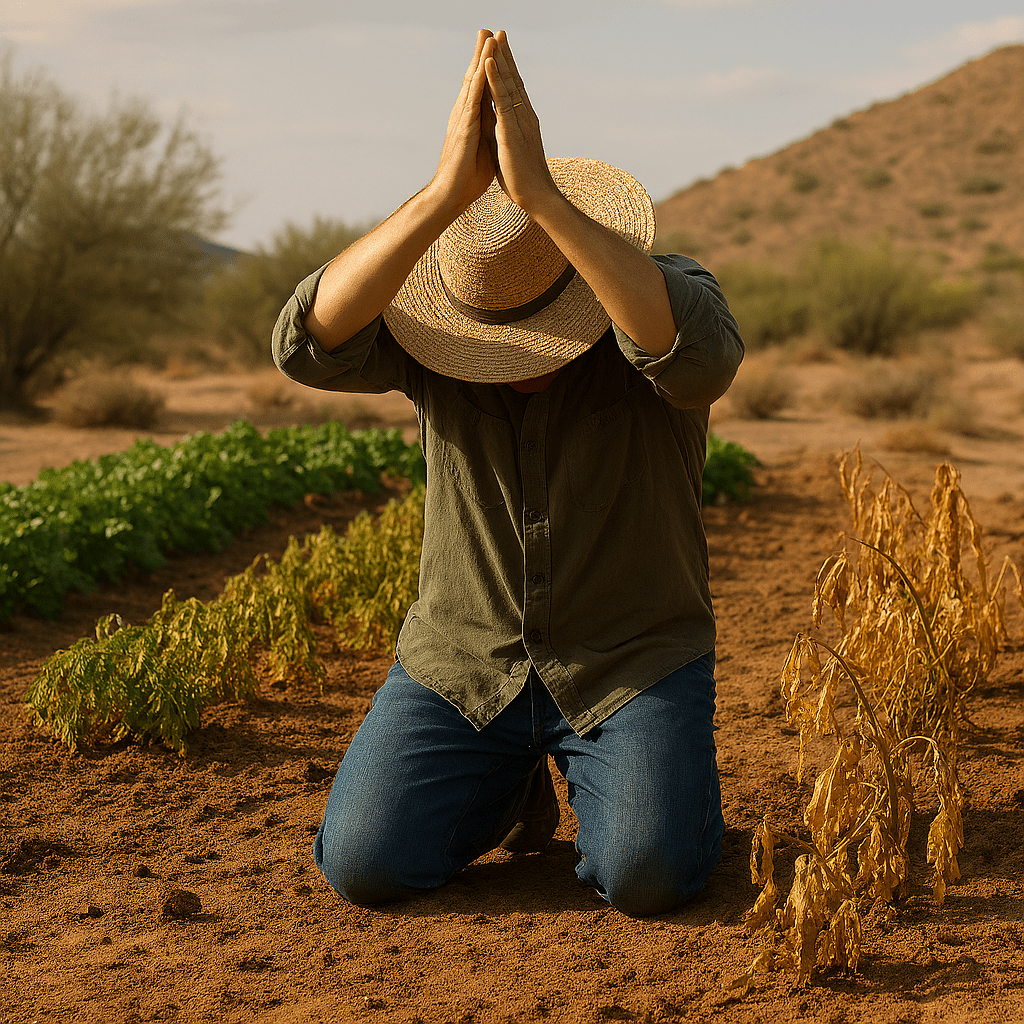
The Gardener’s Plea – An Answer From Above
When summer in the Sonoran Desert stretches on, gardeners face difficult days: dry soil, wilting leaves, and relentless heat. Every drop of water feels precious, and keeping plants alive is a challenge.
Then, the monsoon arrives and everything changes. Cool rain pours down, soaking the earth and reviving tired gardens. In just a few hours, brown patches turn green, seeds sprout, and long-dormant plants come alive. Humidity rises, helping plants hold onto water and giving seedlings a chance to thrive.
For gardeners, the monsoon is pure relief—a welcome break from the struggle of keeping plants alive in harsh conditions. The air cools, the soil softens, and new growth appears almost overnight. Each storm restores hope and reminds gardeners that even in the toughest environment, nature can deliver a season of abundance. The monsoon is a gift, turning hard work into a flourishing garden and rewarding patience with renewal.
The Importance of Humidity
Although rain itself is vital, the accompanying rise in humidity plays an equally essential role. In the weeks preceding and following monsoon storms, atmospheric moisture can climb dramatically—sometimes from below 10% to well over 40%.
- Water Conservation Benefits: Increased humidity reduces evapotranspiration, meaning plants lose less water to the atmosphere. This allows roots to direct more energy toward growth instead of constantly replacing lost moisture, an especially critical advantage for young or recently transplanted specimens.
- Facilitating Growth and Flowering: Many Sonoran natives, including desert willow and fairy duster, rely on humidity cues to trigger blooming or growth spurts. Even cultivated vegetables such as tomatoes and peppers will thrive when the air is less desiccating.
- Risks of Excess Humidity: Unfortunately, higher humidity also fosters fungal spores. Powdery mildew, rusts, and blights can appear seemingly overnight—particularly on non-native ornamentals and vegetables. Gardeners must be vigilant during humid spells, spacing plants to maximize airflow and avoiding overhead irrigation, which can worsen fungal outbreaks.
Preventing Root Rot: The Power of Soil Aeration and Probiotics
One of the most significant threats during monsoon gardening is root rot, a disease that thrives when soils remain soggy and oxygen-starved. Fortunately, gardeners can take proactive steps to defend their plants against this menace. Amending garden beds with gypsum—a naturally occurring mineral—improves soil structure by breaking up heavy clay and enhancing drainage, allowing excess water to move freely and roots to breathe. Gypsum also provides calcium, a nutrient essential for healthy plant growth, but without altering soil pH.
Beyond mineral amendments, the use of organic probiotic fertilizers has gained popularity for their ability to foster a thriving soil ecosystem. These fertilizers contain beneficial microbes that help decompose organic matter, aerate compacted soils, and outcompete harmful pathogens that cause root rot. By stimulating microbial activity, probiotic fertilizers transform the soil into a living network where moisture, nutrients, and air are better balanced. Regular applications can safeguard roots, especially during prolonged wet spells typical of monsoon season.
For those seeking sustainable local solutions, Garden Social offers a selection of locally-crafted natural probiotic fertilizers. Developed to suit the unique conditions of the Sonoran Desert, these products combine organic ingredients with robust microbial blends, giving gardeners the tools they need to nurture resilient, healthy root systems. Choosing soil amendments that promote aeration and biological vitality is the key to thriving gardens—rain or shine.
Fertilizing Around Rain Cycles: Timing Is Everything
Monsoon rains both wash away and unlock nutrients within the soil, making fertilization a strategic consideration.
Fertilizing Before Rain
Applying fertilizer just before a predicted storm can be highly effective. The rainwater dissolves and distributes nutrients deep into the root zone, where they are most accessible to plants. This method:
- Reduces risk of fertilizer burn, as nutrients are quickly diluted and absorbed.
- Ensures that fast-growing plants can capitalize on the surge of moisture and nutrients.
- Is particularly beneficial for annuals and vegetables that have high nutrient demands.
However, gardeners must take care to use slow-release or organic formulations, which are less likely to leach quickly and pollute groundwater. Avoid fertilizing immediately before extremely heavy storms, which can wash nutrients away before they are absorbed—a loss for both garden and environment.
Fertilizing After Rain
Applying nutrients after rainfall has its own advantages:
- Allows gardeners to assess which areas may have experienced nutrient loss due to runoff.
- Can replenish essential minerals that leach away in saturated soils.
- Supports recovery in stressed plants, especially if root damage from flooding has occurred.
The best approach often blends both strategies: using a light application before a modest rain, then supplementing after storms if needed, based on plant response and soil testing.

Atmospheric Carbon: The Invisible Ally
Monsoon storms transport more than water; they bring atmospheric carbon, primarily as dissolved carbon dioxide, down to earth. This carbon enters the soil via rainwater, subtly but significantly impacting plant development.
- Soil Fertility and Microbial Life: Carbon deposited by rain feeds soil microbes, which in turn break down organic matter and release nutrients for plant uptake. Increased microbial activity after monsoon storms can speed decomposition, enrich soil structure, and boost fertility.
- Root Growth and Carbon Sequestration: Plants absorb carbon dioxide through their roots as well as their leaves. Fresh deposits of atmospheric carbon encourage robust root formation, helping plants anchor themselves against flood damage and access deeper water reserves.
- Long-Term Soil Health: Over time, repeated cycles of rain-borne carbon help to build organic matter in desert soils, which are often thin and poor. This organic matter improves moisture retention, nutrient availability, and resilience to drought.
However, excessive influxes of carbon—especially in soils already rich in organic matter—can occasionally lead to nutrient imbalances or accelerate decomposition past a healthy rate. Monitoring soil health, adding mulch, and rotating crops are strategies to maximize benefits while minimizing risks.
Best Practices for Sonoran Gardeners During Monsoon Season
To thrive during the monsoon, desert gardeners should take a holistic, adaptive approach:
- Observe and Adapt: Monitor weather forecasts and soil conditions daily during monsoon season. Be ready to adjust watering schedules, reinforce vulnerable beds, and protect young plants from heavy rain.
- Promote Drainage: Amend soils with gravel and coarse sand to prevent standing water. Raised beds and swales help channel excess rain away from root zones and reduce flooding.
- Mulch Generously: Mulching regulates soil temperature, conserves moisture, and supports the beneficial effects of atmospheric carbon. Organic mulches such as straw or compost also buffer soil against rapid nutrient shifts.
- Fertilize Thoughtfully: Use slow-release, organic fertilizers timed to coincide with moderate rainfall. Avoid chemical fertilizers prone to leaching and consider supplementing with compost tea after storms.
- Manage Humidity: Space plants strategically to promote airflow and prune regularly to minimize fungal risk. Choose disease-resistant varieties wherever possible, and treat outbreaks promptly with environmentally friendly methods.
- Encourage Biodiversity: Incorporate native plants alongside cultivated varieties to support pollinators and beneficial insects, many of which surge in activity after rain.
The monsoon season is an invitation—one that desert gardeners accept with both caution and enthusiasm. By understanding the interplay of water, humidity, nutrients, and atmospheric carbon, they can transform fleeting storms into long-term opportunities for growth and resilience.
With careful observation, timely action, and a reverence for nature’s rhythms, the Sonoran Desert garden becomes not just a place of survival, but of flourishing—a living testament to the power of adaptation in an ever-changing world.
Early in my gardening journey, I used the monsoon rains to boost planting. I would plant before or during storms, take cuttings to propagate, apply gypsum to cacti and succulents to prevent rot, and use organic fertilizer—granular or liquid (make sure to irrigate with liquid types a few hours before rain for best absorption).
Although monsoon season may be commonly hailed as a time of strong, rapid winds, massive dust storms and severe humidity, we simple desert gardeners just might find solace amongst the changing of the winds – a blessing from above.

Garden Social is an urban garden center located at the heart of the City of Maricopa’s heritage district. Here at our garden, we offer a wide variety of helpful resources, plants, fertilizers, soil and beyond to the local community. Visit us in person at our local nursery and garden center! We additionally offer home-visit consultation, landscape service and garden design.
 Garden Social
Leave a comment