
Unlocking the Secrets of Living Soil for the Sonoran Desert
By Austin Lynn, Garden Social AZ LLC
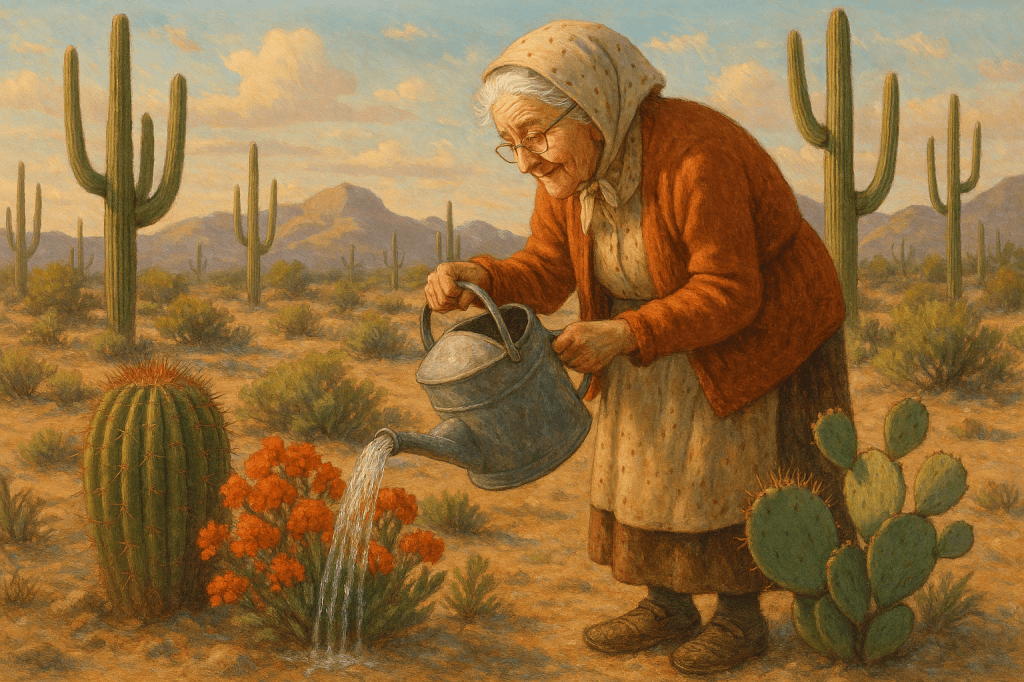
The Challenge and Beauty of Gardening in the Sonoran Desert
For many newcomers to Maricopa and the wider Sonoran Desert region of Arizona, gardening may seem a daunting prospect. The desert landscape, with its iconic saguaros, arid climate, and sandy soils, presents unique challenges—but also remarkable opportunities. At the heart of successful desert gardening lies the health and vitality of soil itself. Understanding how to nurture living soil, especially through the use of natural fertilizer solutions, can transform your garden into a flourishing oasis.
The Foundation of Soil: Microbial Life and Its Importance
Before diving into fertilizer choices, it’s essential to appreciate the dazzling diversity of life hidden beneath our feet. Soil is not just a medium for holding roots; it is a bustling ecosystem teeming with bacteria, fungi, protozoa, nematodes, and arthropods—all working together in intricate relationships.
- Bacteria break down organic matter and recycle nutrients.
- Fungi, including beneficial mycorrhizal types, connect with plant roots to increase nutrient and water uptake.
- Other microbes help balance soil chemistry, control pests, and build soil structure.
Healthy soil is like a probiotic-rich yogurt—alive, complex, and vital for plant health. In the Sonoran Desert, where moisture and nutrients are limited, harnessing the power of soil microbes is even more critical.
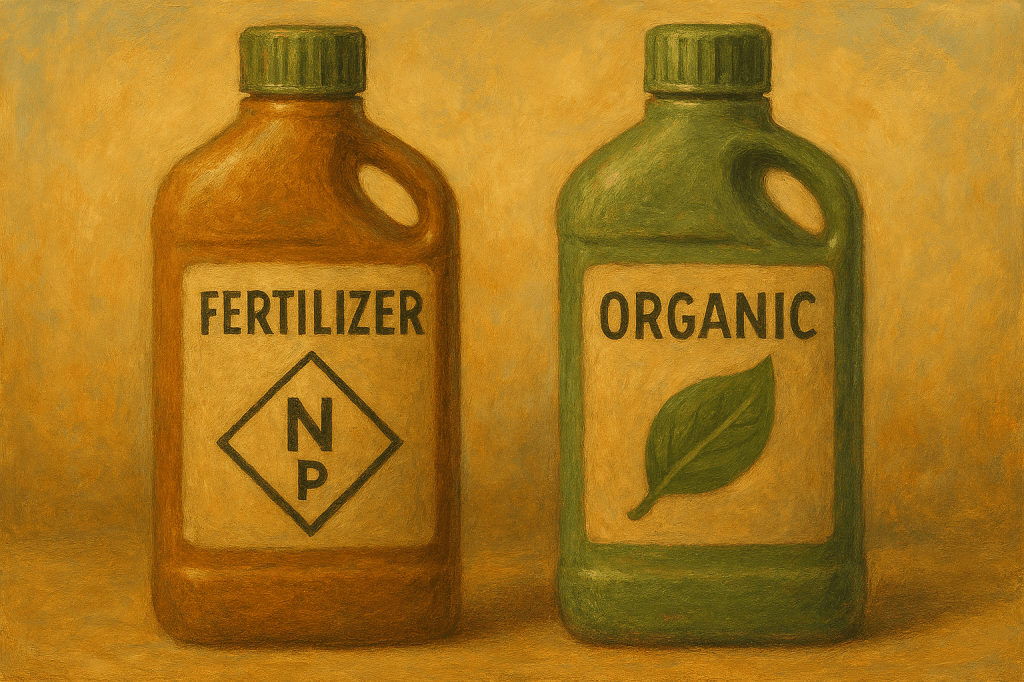
Organic Fertilizers vs. Salt-Based Synthetic Fertilizers: What’s at Stake?
Gardeners in Arizona often face a choice: rely on traditional synthetic (salt-based) fertilizers, or turn to organic, natural solutions. The differences are profound:
Salt-Based Synthetic Fertilizers: Quick Fix, Lasting Damage
Salt-based fertilizers are formulated for rapid release and immediate nutrient availability. Commonly containing nitrogen, phosphorus, and potassium in concentrated forms, these products seem effective at first glance. However, they come with significant drawbacks:
- Destruction of Microbial Populations: Salt buildup from synthetic fertilizers can kill beneficial soil microbes, disrupting the natural cycles that sustain plant life.
- Reduced Soil Structure: With fewer microbes and organic matter, soil becomes compacted and less able to hold water and nutrients—especially problematic in desert conditions.
- Water Pollution: Runoff from excess fertilizers can contaminate local water supplies, harming native habitats.
Over time, reliance on synthetic fertilizers leads to “dead” soil—sterile, hard, and increasingly dependent on chemical inputs.
Organic Solutions: Nurturing Life and Sustainability
In contrast, organic fertilizers—derived from compost, worm castings, manure, bat guano, seaweed, and other natural sources—offer a holistic approach. Their benefits include:
- Support for Microbial Diversity: Organic matter feeds soil microbes, encouraging a balanced and resilient ecosystem.
- Slow and Steady Nutrient Release: Nutrients are released at a rate that matches plant needs, reducing waste and preventing nutrient burn.
- Improved Soil Structure: Organic inputs increase soil porosity, improving aeration and water retention—vital features for desert soils.
- Natural pH Balancing: Diverse microbes help buffer soil pH, reducing the risk of toxic conditions and supporting plant health.
Organic fertilizers foster living, breathing soil that can support robust plant growth, even in the harsh climate of the Sonoran Desert.

Microbes, Mycorrhizae, and the Web of Life
One of the most fascinating partnerships in soil is between plant roots and mycorrhizal fungi. These fungi form networks (called mycorrhizae) that extend far beyond the root zone, acting as natural pipelines for water and nutrients.
- Drought Resilience: Mycorrhizae boost plants’ ability to find water deep in the soil, a game-changer in arid environments.
- Nutrient Efficiency: Plants with mycorrhizal partners often require less fertilizer, as nutrients become more accessible.
- Protection against Stress: Mycorrhizae can help plants withstand heat, disease, and poor soil conditions.
Incorporating organic fertilizers laced with mycorrhizae and other soil probiotics is an investment in the long-term health and productivity of your garden.
Efficient Water Use: Conserving Arizona’s Most Precious Resource
Water scarcity is the defining feature of desert gardening. The interplay between soil health and water efficiency cannot be overstated.
- Organic Matter Increases Water Retention: Soils rich in organic material act like sponges, holding onto moisture and releasing it slowly to plant roots.
- Microbes Reduce Runoff: Healthy soil structure, built by microbes, allows water to penetrate deeply rather than running off the surface.
- Mulching and Composting: Combining organic fertilizers with mulch and compost further protects soil from evaporation.
By nurturing living soil, gardeners decrease their water use, save money, and support sustainable landscaping.
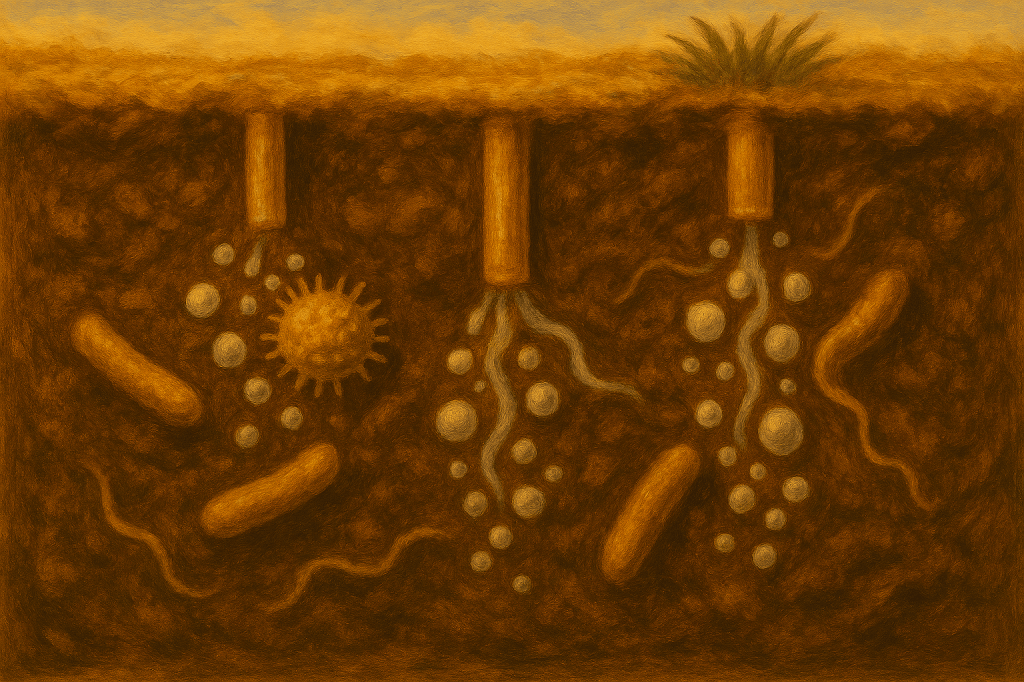
Soil Aeration: Breathing Life into the Earth
Desert soils are notorious for compaction and poor aeration. Without air, roots suffocate, and microbial life diminishes. Natural fertilizers help:
- Promote Earthworm Activity: Earthworms aerate soil as they tunnel, improving root access to oxygen.
- Build Soil Aggregates: Microbial byproducts glue soil particles together, creating spaces for air and water.
Regular incorporation of organic material keeps soil loose, friable, and able to breathe.
pH Balancing and Nutrient Cycling: The Microbial Advantage
Every plant has a preferred pH range, and desert soils can fluctuate widely. Microbes—and the organic matter that feeds them—naturally buffer pH changes, protecting sensitive plants. They also unlock nutrients trapped in mineral form, making them available for uptake. In essence, microbes are the unsung chemists of your garden.

Practical Tips for Sonoran Desert Gardeners
- Test your soil before planting. Many local garden centers offer soil testing services or kits.
- Choose organic fertilizers with diverse ingredients—look for labels that mention compost, manure, worm castings, mycorrhizae, and beneficial microbes.
- Apply mulch over garden beds to retain moisture and moderate soil temperature.
- Water deeply but infrequently to encourage deep root growth and efficient use of water.
- Rotate crops and plant a variety of species to support microbial diversity.
- Amend soil with locally sourced compost for best adaptation to the desert climate.
Embracing the Power of Living Soil
For residents of Arizona’s Sonoran Desert, learning to garden is both a challenge and an invitation to participate in nature’s grand cycles. By choosing natural fertilizer solutions rooted in organic principles, you are not just feeding your plants—you’re cultivating a living ecosystem that will reward you with vibrant growth, resilience, and sustainability.
Synthetic fertilizers may promise quick results, but their long-term costs to soil health, water conservation, and local ecology are steep. Organic solutions, rich in microbial life and diverse inputs, are the only path to a thriving desert garden.

Garden Social: Your Partner for Probiotic Fertilizers in Maricopa
As you set out to transform your own patch of desert, consider partnering with local experts. Garden Social, located in the heart of Maricopa, is a trusted urban garden center specializing in natural and probiotic fertilizer solutions. Their curated selection includes rich organic blends infused with beneficial microbes—designed especially for the unique challenges of desert gardening.
Whether you are starting your first container garden or revitalizing an existing landscape, Garden Social can guide you toward choices that nurture living soil and abundant growth. Visit our urban garden center to explore natural fertilizer solutions that support both your plants and the broader Sonoran ecosystem.
 Garden Social
Leave a comment