
Ancient Wisdom Meets Modern Science for Thriving Desert Landscapes
By Austin Lynn, Garden Social AZ LLC
What Is Compost?
Compost is nature’s transformative force, turning everyday organic material—such as kitchen scraps, grass clippings, and fallen leaves—into a rich, dark soil amendment teeming with nutrients. It is the end result of a complex process driven by bacteria, fungi, worms, and countless other organisms. When incorporated into garden soil, compost supplies essential nutrients, improves the structure of the soil, and supports the microbial communities that are vital for healthy plants.
In Arizona’s Sonoran Desert, where soils are commonly clay-heavy and alkaline, compost is a game-changer for gardeners. The ground here often lacks both organic matter and the structure needed for robust plant growth. By adding compost, gardeners breathe new life into their soil, giving their landscapes a chance to thrive in the desert’s harsh conditions.
A Brief History: Ancient Roots of Composting
Composting is an age-old practice, dating back thousands of years, far before written records. Civilizations around the world—including the Greeks, Chinese, and Indigenous Americans—recognized the value of decomposed organic matter for growing crops and medicinal plants. Egyptian farmers enriched their fields by layering organic residues with mud, while the Greeks and Chinese developed their own methods to maintain fertile soils.
These ancient approaches emphasized patience and stewardship, working with nature’s cycles. Over the centuries, scientific advances have refined our understanding, revealing how composting not only returns nutrients to the soil but also creates “living soil”—a self-renewing, dynamic ecosystem full of beneficial microorganisms. Despite new techniques, the essence remains: increase organic matter, nurture soil microbes, and let nature take the lead.
The Importance of Age-Old Composting Practices
Modern agriculture often relies on synthetic fertilizers and monocultures to boost productivity. Traditional composting, however, restores the natural relationship between plants, soil, and microbes. Techniques such as layering green and brown materials, turning compost piles for aeration, and allowing organic matter to mature harness the true power of compost.
This process nurtures living soil, which is abundant in organic matter and microbial activity. Soil microbes break down organic matter, release nutrients for plants, and help create stable soil aggregates that support water retention and root growth. Their presence also helps suppress disease and buffer against environmental stresses. In the Sonoran Desert, where soils can be barren and compacted, maintaining living soil is essential for healthy landscapes.
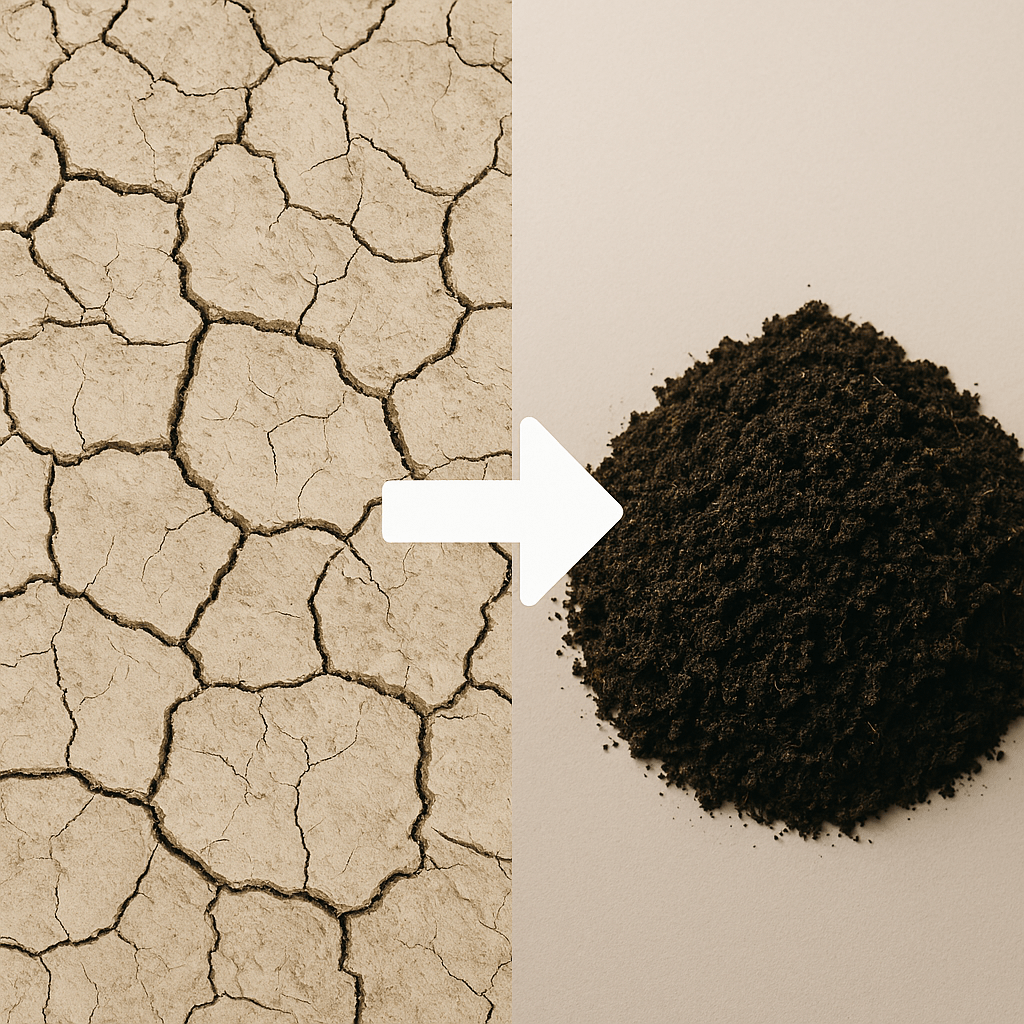
How Compost Transforms Clay Soil
Clay soils, common in Arizona’s Sonoran Desert, are challenging for gardeners due to their tightly packed mineral particles, which restrict air and water movement. These soils often become compacted and waterlogged, then harden in dry conditions, making it hard for plants to grow and for nutrients to be accessed.
Compost helps overcome these challenges. It introduces organic matter that separates clay particles, improving aeration and water drainage. This improved structure enables roots to breathe and water to reach deeper, reducing runoff and erosion—critical in desert environments.
Compost also delivers compounds that bind with clay, forming stable aggregates. These create a crumbly texture, resist compaction, and help both air and water move freely. Regular compost applications can gradually turn tough clay into fertile, workable soil.
Adding compost also boosts the biological activity in clay soils, providing food for bacteria, fungi, and other organisms. These microbes break down minerals and organic matter, making nutrients available for plants. As soil life increases, healthy structure and fertility become self-sustaining, resulting in soil that supports vibrant gardens even in arid climates.
The Lifeblood of Fruiting Trees and Blooming Shrubs
Fruiting trees and flowering shrubs require a steady stream of nutrients to support their cycles of growth and bloom. Any shortage during key times can result in fewer blossoms, poor fruit quality, and more disease. In the Sonoran Desert’s nutrient-poor soils and unpredictable rainfall, compost is vital for their health and productivity.
Compost releases nutrients slowly, supporting fruiting trees and shrubs with consistent nutrition. Unlike synthetic fertilizers that provide a quick burst, compost steadily enriches the soil ecosystem, ensuring plants have what they need throughout the season. This supports strong roots, dense leaves, abundant flowering, and reliable fruit set.
Compost also helps defend plants against diseases by encouraging beneficial microbes that outcompete harmful pathogens. These microbes create a protective environment around roots, boosting plants’ natural resistance to common problems like mildew and root rot. Improved soil structure from compost also aids drainage and reduces stress.
The result is visible: deeper fruit color, more consistent harvests, and shrubs that bloom more prolifically. Over time, as soil becomes richer and more active, gardens yield bigger harvests and longer bloom periods. Compost is the foundation for abundance and resilience in every fruiting tree and flowering shrub.

Organic Compost and the Microbial Symphony
Organic compost is full of bacteria, fungi, and other soil microbes, each playing a role in soil health. When compost is added to Arizona’s clay-rich soils, it acts as a microbial booster, introducing beneficial organisms that break down minerals and organic matter, cycle nutrients, and lay the groundwork for healthy plants.
Probiotic fertilizers—special blends formulated to boost microbial diversity—can work alongside compost to further strengthen soil life. While compost provides the food, probiotics may add specific microbes that are missing due to harsh conditions or prior chemical use.
By using compost and probiotic fertilizers together, gardeners foster vibrant microbial communities. These microbes help plants access nutrients, resist disease, and build soil aggregates that improve root growth and water infiltration—key for successful gardening in the Sonoran Desert.
Compost Application: How Often Should It Be Used?
Gardeners in Arizona often ask how frequently compost should be applied. In these soils, regular use is essential. For best results:
- Apply compost every 1–2 months, especially during active growth (spring to fall).
- Supplement with quality probiotic fertilizer during the growing season, to maintain healthy soil life.
- Mix compost into the top 2–6 inches of soil, where roots are most active.
- For new beds, use a thicker layer (1–2 inches) and work it in before planting.
- For established gardens, use a lighter top-dressing and gently mix it into the soil surface.
This routine maintains decomposition, nutrient cycling, and stable soil structure, helping plants withstand desert heat and drought.

Compost as Nutritional “Tea”: Hydrating the Microbial Feast
Compost acts much like tea—infusing soil with a nourishing brew of nutrients and organic compounds that plants and microbes can absorb. After compost is mixed in and watered deeply, these nutrients are released, providing a feast for roots and soil microbes.
For best results, water composted soil thoroughly every other watering cycle. This helps release “compost tea”—soluble nutrients and beneficial compounds—into the root zone to energize plants and sustain microbial life. In Arizona’s dry climate, consistent supplemental watering after compost application ensures nutrients are actively cycled to roots.
- After composting, water deeply to saturate the root zone and encourage nutrient release.
- On the next scheduled irrigation, skip the extra watering to let microbes process organic matter.
- Repeat this cycle—deep water every other irrigation after compost application.
Think of this as brewing a fresh pot of tea for your garden: each deep watering extracts new nutrients, rejuvenating soil and plants.
Crafting Your Own Compost: Cultivating Microbial Abundance at Home
Compost is a living system where beneficial microbes break down organic waste into nourishing humus. Making compost at home is similar to fermenting yogurt—both use starter cultures to transform raw ingredients into something that supports life.
A handful of mature compost or a probiotic digester can “seed” a new compost pile or bin, kickstarting decomposition and ensuring the pile thrives with active microbes.
For desert gardeners, where heat and dryness can slow microbial activity, try these methods:
- Container Composting: Use a lidded plastic bin with air holes. Layer kitchen scraps with dry brown materials, moisten, add a compost starter, and stir weekly to aerate.
- Pile Composting: Build a mound in a shaded spot, add green and brown layers, keep moist, inoculate with finished compost or probiotic, and turn every few weeks for aeration.
- Bucket or Bin Composting: Use a five-gallon bucket with a tight lid and ventilation holes. Add chopped scraps and some garden soil or compost, sprinkle with probiotic digester, stir every few days, and monitor moisture.
Composting is about nurturing microbial cultures, much like fermenting yogurt. The right starter ensures an active, thriving process that breaks down waste into nutrient-rich humus. By mixing and watering regularly, gardeners foster biological diversity and efficient decomposition, even in demanding desert conditions.
With these techniques, waste becomes garden gold, supporting healthy, resilient landscapes year after year.

Restoring Life to the Sonoran Desert
Gardening in Arizona’s Sonoran Desert celebrates renewal and resilience. Despite lifeless clay and alkaline soils, compost offers hope—a bridge between ancient wisdom and modern science. It is essential for living soil, microbial diversity, and thriving gardens in harsh climates.
By honoring traditional composting and embracing the synergy of organic compost and probiotic fertilizers, gardeners create vibrant, life-filled landscapes. Regular application, gentle mixing into topsoil, and deep watering transform desert earth, cultivating gardens and landscapes that flourish, season after season.
With compost as your ally, you nurture the soil, fuel microbes, and unlock the land’s potential—one handful, one watering, one season at a time.
Garden Social – Your Partner in Desert Soil Revival
Are you ready to elevate your desert gardening? Here at Garden Social we offer everything you need to promote healthy soil and flourishing plants. Our locally crafted compost and probiotic fertilizers are formulated for the Sonoran Desert’s unique challenges, packed with nutrients and beneficial microbes for your garden’s success. Available for purchase in-person at our urban garden center in the City of Maricopa, or online for bulk delivery!
For extra support, our seasonal composting and fertilization service helps homeowners enrich their soil and keep plants resilient and beautiful. Our experienced team customizes compost applications and probiotic treatments, making it easy to maintain a vibrant, thriving garden. To learn more about our composting service, select the link below!
Visit Garden Social to discover how our products and services can turn your landscape into a flourishing oasis, filled with life and color season after season.
 Garden Social
Leave a comment