
How Shade, Soil, and Smart Design Transform Arizona’s Harshest Spaces
By Austin Lynn, Garden Social AZ LLC

The Challenge: Gardening Under the Brutal Sonoran Sun
Gardening in the open environment of Arizona’s Sonoran Desert is a lesson in resilience, ingenuity, and adaptation. The landscape, unforgiving and wild, tests even the most seasoned horticulturists. Here, sunlight is more than just light—it’s an overwhelming force. Intense exposure scorches foliage, fades blooms, and wilts even drought-hardy vegetation during the harshest points of the day. The lack of humidity, often dropping below 10% at midday, desiccates leaves, drains soil moisture, and challenges tropicals and sensitive flowers to survive.
But it isn’t just the direct sun that poses a threat. Reflective heat radiates from stucco walls, concrete patios, gravel beds, and even the hard-packed ground, compounding the temperature to levels that can be lethal for tender plants. The soil itself, bombarded by relentless sunshine, struggles to maintain the health of its precious microbial life. Beneficial bacteria and fungi—essential allies for plant growth—are often depleted in such exposed soil. Without their help, nutrients remain locked away and roots find little support, making the task of growing lush vegetation seem nearly impossible in the open desert.
A Little Shade Goes a Long Way
Yet, introduce the right amount of shade, and a transformation begins. Shade alone can cut temperatures drastically—sometimes by ten degrees or more—creating an oasis for plants and soil alike. One of the simplest and most powerful strategies is to take advantage of afternoon shade. By planting on the east side of larger structures, you shield sensitive species from the most intense heat of the day.
Planting shade trees or constructing shade structures on the west side of proposed garden beds or tropical pockets extends the hours of comfort. This technique, commonly referred to as the “domino shade effect,” works by casting consecutive layers of shade as the sun moves through the sky. Each tree or structure on the west side acts like a domino, protecting plants deeper into the afternoon and evening. By ensuring your most delicate flowers or tropicals are nestled on the east side of these large trees or buildings, you provide a microclimate pocket that extends their growing season and greatly increases their odds of survival.

A Safe haven for the Microbes
Shade is not just a comfort for your plants—it’s a lifeline for the beneficial bacteria and fungi that dwell beneath. In shaded areas, soil temperatures remain lower and moisture is retained for longer periods, creating the perfect environment for microbial life to thrive. These microbes are the unseen workforce of every healthy garden, breaking down organic matter, making nutrients available, and even helping plants withstand stress.
But shade alone isn’t enough. Insulating your partially-shaded soil with compost and mulch further supports these vital organisms. Compost enriches the soil, feeds your plants directly, and helps retain moisture. Mulch, meanwhile, protects the soil from the sun, keeps everything below at optimal biological temperatures, improves humidity, and prevents reflective heat. But it’s important to remember: mulch itself does not feed your plants. Only well-composted soil beneath provides the nutrition needed for robust growth.
Compost vs. Mulch: Know the Difference
Let’s break it down for fun:
- Compost: Feeds your plants, insulates soil, retains moisture, improves soil quality, and nurtures microbes.
- Mulch: Shields the soil, keeps compost and soil cool, prevents evaporation and reflective heat, improves humidity, but does not feed plants on its own.
Never simply add a light layer of mulch over dry clay soil, nor mix raw mulch into your soil—it will leach away valuable nitrogen. But in shady conditions with well-composted soil, mulch is the final touch that creates the ultimate microclimate.
So… What IS a Microclimate? Why Should I Consider Creating One?
A microclimate is a pocket of environment where local conditions—temperature, humidity, sunlight, and wind—differ from the surrounding area. In the desert, a microclimate can reduce temperatures, control sunlight exposure, and extend your growing season to virtually all year. It increases humidity and fosters the perfect environment for thriving soil and happy roots. By controlling the factors that contribute to plant and soil stress, microclimates turn inhospitable spaces into lush, inviting sanctuaries.
Desert-Adapted Trees for the Perfect Microclimate (USDA Zone 9b, Sunset Zone 13)
Successful microclimate creation relies heavily on the strategic planting of desert-adapted trees. In Phoenix, several varieties stand out for their ability to maintain dense foliage and protect gardens year-round:
- Palo Verde (Parkinsonia spp.)—With its green bark and airy yet dense canopy, the Palo Verde not only casts ample shade but also tolerates drought and poor soils. It’s the official state tree and a microclimate powerhouse.
- Desert Willow (Chilopsis linearis)—This tree brings beauty and shade, with elongated leaves and trumpet-shaped blooms. Its foliage is thick enough to lower temperatures but lets in dappled sunlight, ideal for tropical companions.
- Mesquite (Prosopis spp.)—Mesquite trees offer deep shade, fix nitrogen in the soil, and their feathery leaves provide filtered light that supports both sun-loving and shade-loving understory plants.
- Southern Live Oak (Quercus virginiana)—Renowned for its sprawling branches and evergreen canopy, the Southern Live Oak creates enduring shade and a sheltered microclimate year-round. Its dense foliage offers continuous protection from harsh sunlight, while the broad limbs provide habitat for birds and beneficial insects.
Adapted to withstand drought and poor soils, the Southern Live Oak enriches the landscape with organic leaf litter, which helps retain soil moisture and bolster compost. Its resilience and grandeur make it a cornerstone for creating cool, thriving microclimates in desert gardens. - Ash (Fraxinus velutina ‘Modesto’)—Modesto Ash is a favorite for its rapid growth and thick shade, perfect for cooling gardens and extending the growing season.
- Red Push Pistache (Pistacia x ‘Red Push’)—A True Microclimate Champion
If you seek a fast-growing, resilient tree with stunning year-round appeal, the Red Push Pistache deserves special mention in any desert microclimate design. This hybrid, celebrated for its vibrant flush of red new growth each spring, matures into a lush canopy of deep green leaves that gracefully turn fiery orange and crimson in autumn—one of the few trees to offer genuine fall color in Phoenix. Red Push Pistache is drought-tolerant once established and adapts well to poor, alkaline soils. Its branching structure produces ample, medium-dense shade, ideal for reducing reflected heat and creating a cooler, more hospitable environment beneath. Its deciduous nature means abundant filtered light in winter for ground-level plants, and dense coverage in summer to shield tender understory specimens from harsh sun.
With a moderate growth rate and relatively low maintenance needs, the Red Push Pistache is well-suited for front or backyards where vibrancy and seasonal interest are prized. Its robust root system stabilizes soil, while the gentle leaf litter enriches compost and adds organic matter to the microclimate’s ecosystem. For those seeking a tree that provides beauty, function, and long-term comfort, the Red Push Pistache stands out as both a centerpiece and a hardworking partner in the desert garden.
Each tree brings unique foliage density, shade patterns, and soil benefits, supporting a spectrum of plant life beneath.
Other Considerations for Shaded Microclimates
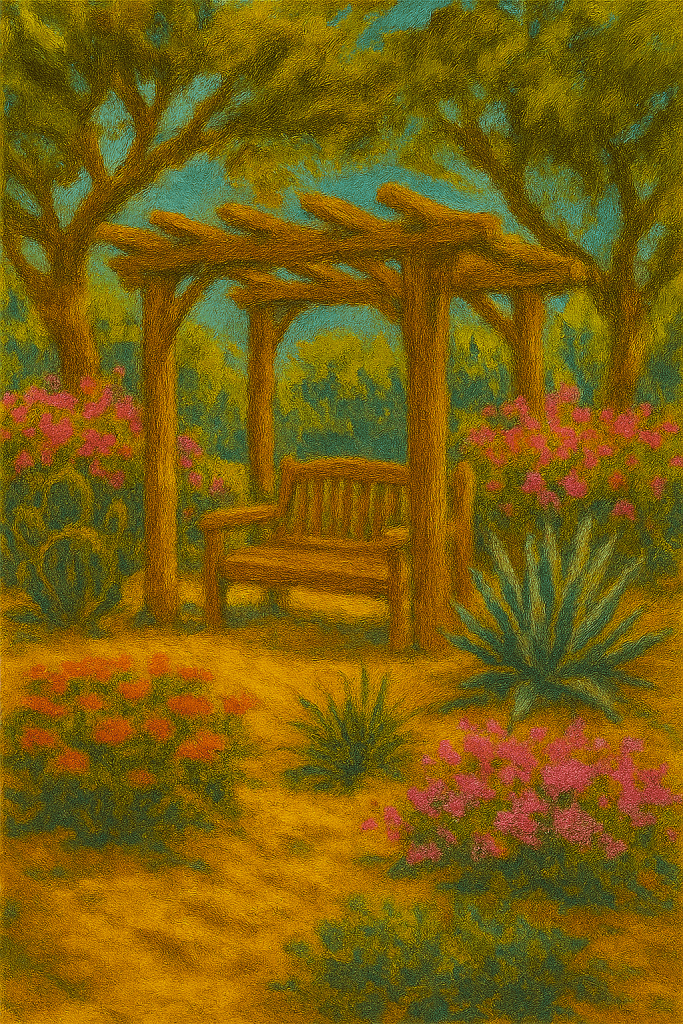
Microclimates aren’t built by trees alone. Artificial constructions—gazebos, pergolas, shade structures, and shade cloth—play a key role. While dense shade is useful for some species, filtered light is often superior for most plants. Shade trees and cloth that provide dappled sunlight throughout the day allow plants to photosynthesize optimally, without succumbing to heat stress. Solid shade structures, while attractive, may inhibit light penetration and starve plants of valuable sunlight.
When designing your space, always prioritize placing large structures on the west side of, or just above, proposed growing beds to extend afternoon shade. Tall shrubs and climbing vines can add vertical layers of protection and beauty, further enriching your microclimate.
Phoenix Microclimates in Action
Phoenix is home to countless success stories of microclimate gardening. Bananas, mangos, guavas, avocados, and other tropical wonders are thriving throughout the metro, thanks to well-designed shade pockets, rich compost, and strategic mulch. When thinking of incredible examples of rich microclimates, the first that comes to mind is the Phoenix Zoo’s Columbia trail, an absolute favorite of mine as a horticulturalist when I bring my young children to the Zoo —lush canopies, abundant shade, thick mulch, and rich compost create an environment where non-native plant species and animals flourish, even during the peak of summer. Here, the cooling microclimate is so effective that walking through the trail feels like stepping into a subtropical paradise, worlds apart from the desert just beyond.
Why Natural Microclimate Backyards are Superior
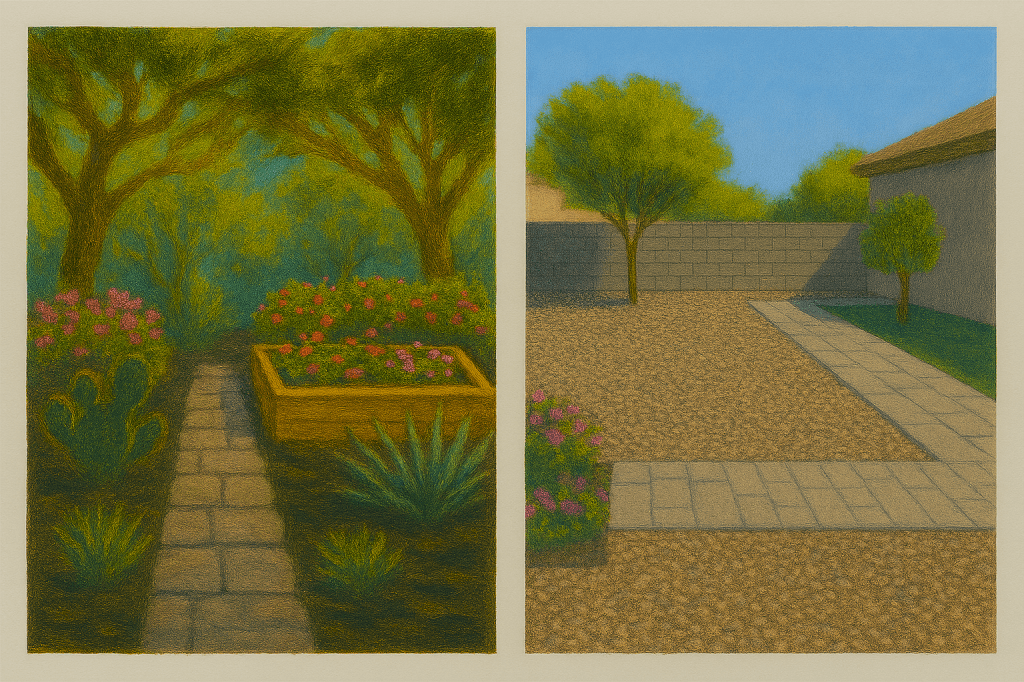
The ubiquitous turf-and-pavers backyard may look sleek and modern, but the relentless reflective heat it generates makes these spaces nearly intolerable during Arizona summers. The square spaces idolized in contemporary landscaping offer little respite from the sun, and often become too hot to enjoy. In contrast, natural microclimate landscapes require more work—planting trees, maintaining mulch, composting, and nurturing soil—but reward you with a space you can enjoy year-round, in both the heat and cold. The difference in comfort, beauty, and ecological health is dramatic.
Let Garden Social Help You Build Your Dream Microclimate
Ready to transform your backyard into a thriving oasis?
Garden Social provides consultation, design, and end-to-end landscaping service for those interested in starting their own advanced microclimate landscape. With educated landscape horticulturalists, master gardeners, and permaculture experts—boasting over 15 years of experience—Garden Social is the trusted partner to help you unlock the full potential of your space. Whether you’re dreaming of tropical fruit, vibrant flowers, or a cool refuge from the desert sun, choose Garden Social for your next project and watch your garden grow beyond your wildest expectations.

 Garden Social
Leave a comment