
Understanding Seasonal Sun Cycles for Healthier Desert Gardens

The Sun’s Role in Southern Arizona Gardening
Gardening in Arizona is a rewarding challenge, shaped by the intense and ever-changing sun. If you’ve ever wondered why your plants thrive in one season and struggle in another, the answer often lies above: in the sun’s seasonal patterns and its impact on your garden’s microclimate. Understanding how the sun moves throughout the year—and how it affects light, temperature, and plant health—is the first step to cultivating a thriving desert garden.
Seasonal Sun Patterns: The Midsummer Northerly Arc
From late spring through midsummer, the sun climbs high and arcs far to the north. In southern Arizona, this means longer daylight hours and intense sunlight, especially in the afternoons. The increased exposure raises atmospheric temperatures, making the desert feel even hotter. For plants, this can be both a blessing and a challenge. Sun-loving varieties, like many cacti and succulents, soak up the rays and flourish, while others may wilt, scorch, or struggle with water loss. The extended sunlight also means more growth, but only if plants are prepared to handle the heat.
The Sun’s Shift: Fall to Winter Changes
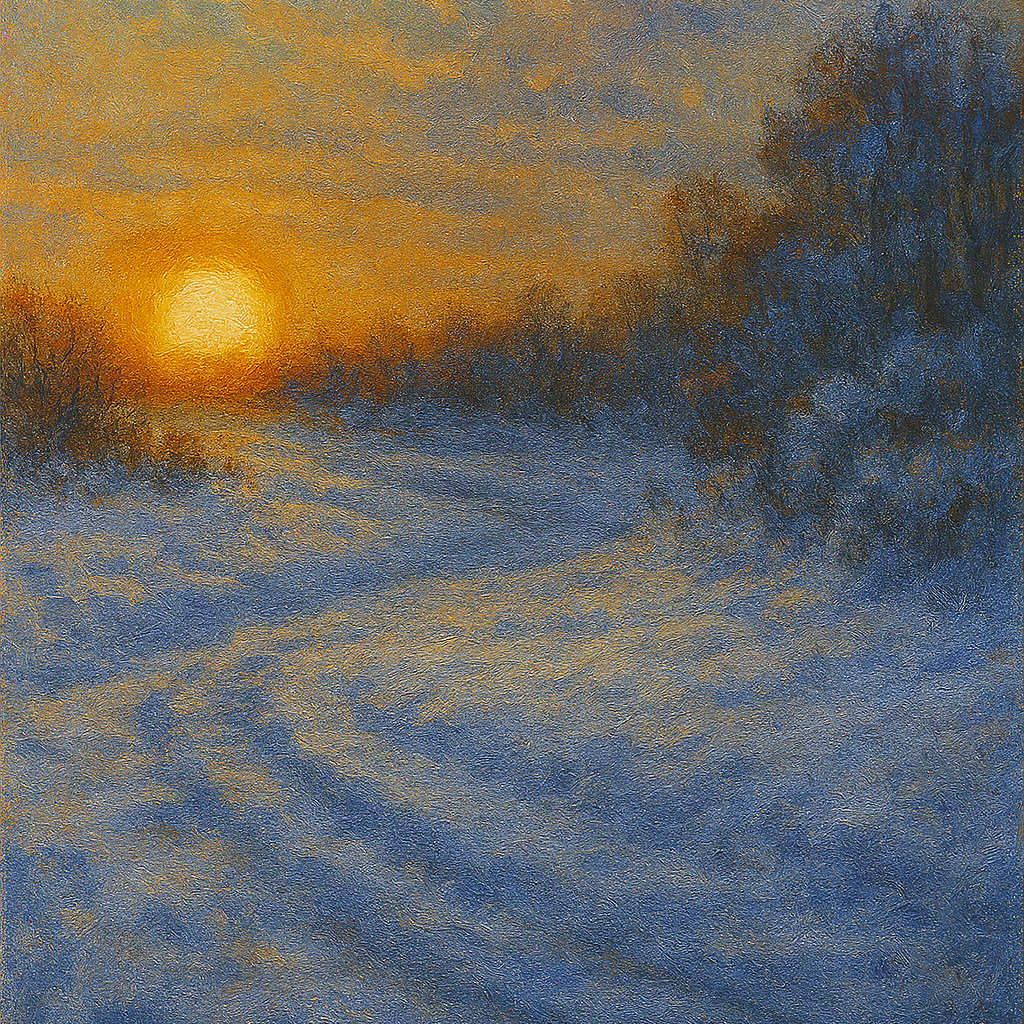
As fall arrives, the sun’s path dips lower and swings to the south. Days grow shorter, and the angle of sunlight softens. Temperatures drop, and the garden experiences cooler, gentler light. This seasonal shift is crucial—some plants breathe a sigh of relief, bouncing back from the summer’s stress, while others slow down or go dormant. The decrease in sunlight hours means less energy for growth, so gardeners need to adjust watering, fertilizing, and even which plants they focus on during these cooler months.
Desert Gardening Nuances: Space Orientation and Seasonal Contrasts
One of the trickiest parts of gardening in southern Arizona is understanding how your garden’s orientation changes with the sun. For example, a south-facing backyard space tends to be the hottest of them all through the summer, especially as your southern wall becomes a reflective oven in the summer heat as the northerly-leaning sun beams against it, but during the winter, it’s quite the opposite – plants beneath your wall receive perpetual shade, leading to piercingly cold temperatures with freeze potential in the middle of winter, this makes such a space especially difficult to plan when considering compatible plants or gardening, what a contrast!
Recognizing these nuances helps you place the right plants in the right spots and plan for both the harsh summers and mild winters that define the Sonoran Desert.

Why Agricultural Zone 9b Is Uniquely Sensitive to Sun Path Shifts
Zone 9b, which covers much of southern Arizona, sits at a crossroads of climate extremes, making even minor shifts in the sun’s path dramatically impactful. Because this zone hovers at the edge of both intense heat and occasional winter chill, small seasonal changes can have outsized effects on your garden. In winter, a slight dip in the sun’s arc means shaded corners—especially those tucked behind walls, fences, or dense plantings—can quickly shift from a light frost to a hard freeze, endangering sensitive plants. The limited sunlight in these spots prevents the ground and air from warming up enough during the day, creating microclimates prone to cold damage.
Conversely, as the sun climbs higher and shifts northward in the summer, its rays strike with greater intensity and duration. Hardscape features like rocks, metal edging, and south- or west-facing walls absorb and reflect this energy, amplifying temperatures around nearby plants. In these “heat pockets,” afternoon sunlight can push conditions beyond what even desert-adapted species can tolerate, causing rapid moisture loss and sunburn. The unique interplay of sun angles and urban materials in zone 9b means gardeners must stay vigilant, observing how light and heat accumulate or escape in different garden niches throughout the year.
Impact on Cacti, Succulents, Citrus, and Non-Native Plants
Cacti and succulents are desert natives, adapted to handle extremes of sun and drought. But even they can show signs of stress if the exposure is too intense—look for yellowing, sunburn spots, or shriveled pads. Citrus trees, common in southern Arizona, enjoy lots of sun but may need protection from scorching summer rays. Non-native plants are the most vulnerable; they may droop, lose leaves, or fail to flower if the sun’s arc exposes them to more heat than they can handle. Watch for these signs and be ready to adjust, using shade cloths, moving pots, or planting under larger “nurse” plants.
For example, When the sun’s position shifts—due to seasonal changes or relocation—the angle and intensity of light hitting the cactus can change dramatically, damaging the epidermal cells of the plant. Although cacti generally adapt quickly, some plants do not – this highlights the importance of seasonal awareness and microclimate observation.
Seasonal Awareness and Microclimate Observation
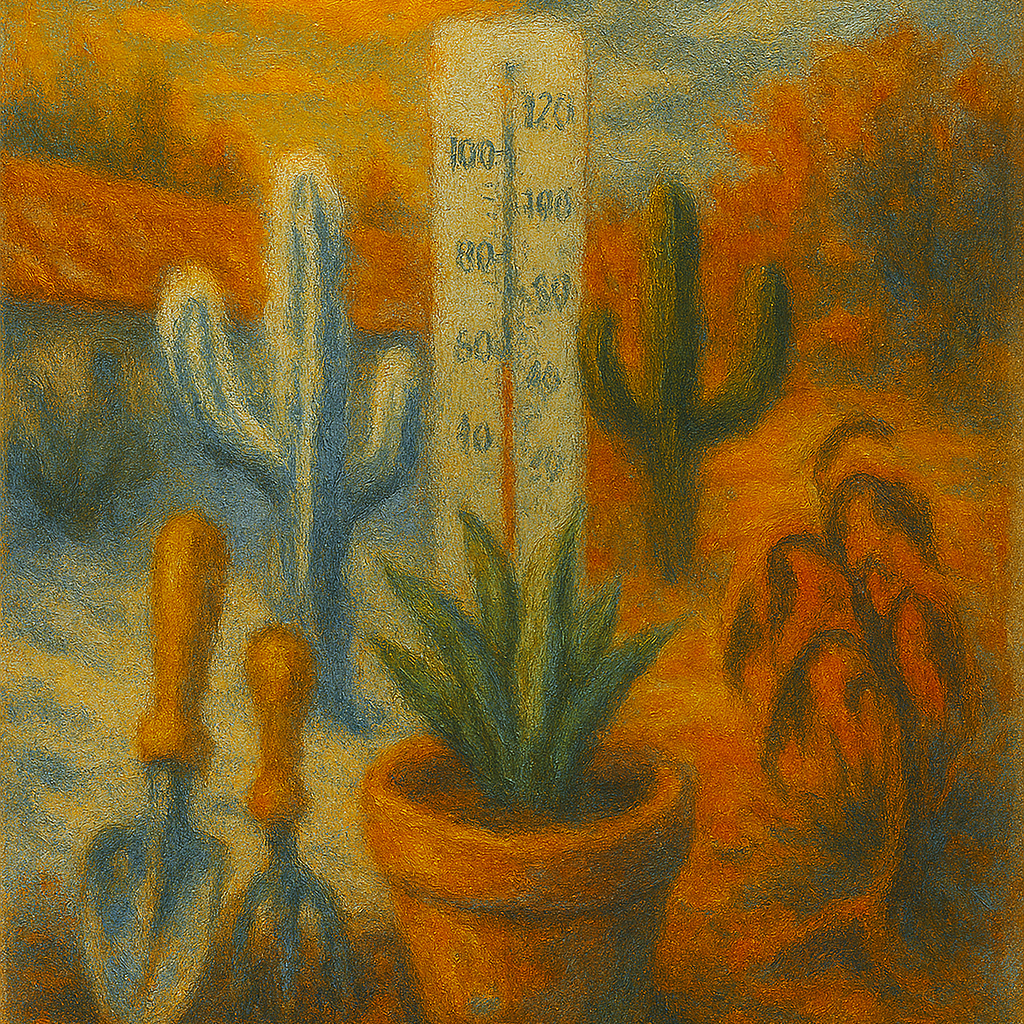
Seasonal awareness means tuning in to the rhythms of the sun and temperature changes throughout the year. Microclimate observation takes it a step further—looking for small zones within your garden that have unique conditions, like a sunny corner protected from wind or a shady spot beneath a tree. To track these, watch where shadows fall at different times and seasons, and note which areas stay warmer or cooler. Keep a simple garden journal: jot down dates, sunlight hours, temperature changes, and plant responses. Over time, you’ll see patterns that guide smarter planting choices.
- Walk your yard at different times (morning, noon, evening) and every season.
- Take photos to document sun/shade patterns.
- Record plant health changes in relation to sun exposure.
- Note frost-prone spots and areas that reflect extra heat (like near walls or pavement).
Planning Tips: Designing with Sun Cycles in Mind
Smart garden planning is all about using sun cycles and seasonal shifts to your advantage. Here are actionable tips:
- Assess frost risk: Plant frost-sensitive varieties in protected spots, such as near south-facing walls that retain heat.
- Watch for reflective heat: Surfaces like stucco walls and concrete can intensify sun exposure—plant heat-tolerant species nearby, or add mulch to moderate soil temperature.
- Plant placement: Cluster sun-loving plants in areas with maximum exposure, and use trees or structures to provide afternoon shade for delicate varieties.
- Rotate container plants: Move pots seasonally to chase or avoid the sun as needed.
- Experiment and observe: Try new arrangements and monitor results, adjusting for each season’s sun arc.
Diligence and Learning: Adaptation Through Experience
Gardening in the Sonoran Desert is a journey of trial and error. I remember my first shift from summer defeat to the smooth sailing of fall, only to discover that my respite led to a lack of awareness that ultimately froze my precious, newly rooted cacti, which had totally enjoyed their shady space through the heatwaves of summer. Although it was a difficult circumstance to accept, I quickly learned that cool, shady spaces weren’t “always” perfect for sensitive plants. Making sure to be aware of your space and spread awareness will not only lessen the heartache we all endure but help us all to maintain a positive outlook as the happiest time of year approaches. Mistakes are part of the process; every gardener learns from them. Stay curious, be patient, and keep notes. Your garden will improve with each season.

Garden Social: Local Support and Community
If you’re looking for guidance, inspiration, or just a friendly face, Garden Social in Maricopa is a fantastic resource. This local nursery is dedicated to helping desert gardeners succeed. Their mission is to foster a community of learning and sharing, offering educational workshops on topics like sun patterns, microclimate creation, and plant selection. Garden Social hosts events where you can meet fellow gardeners, swap stories, and get expert advice. Whether you’re starting your first cactus or planning a full orchard, their team is ready to help you thrive in southern Arizona’s unique climate.
In southern Arizona, the sun is both a challenge and an ally. By understanding its patterns, observing your microclimates, and planning with care, you can create a garden that flourishes year-round. Don’t be afraid to experiment, learn from your mistakes, and reach out to resources like Garden Social. Happy gardening!
 Garden Social
Leave a comment