
A Sonoran Desert Treasure
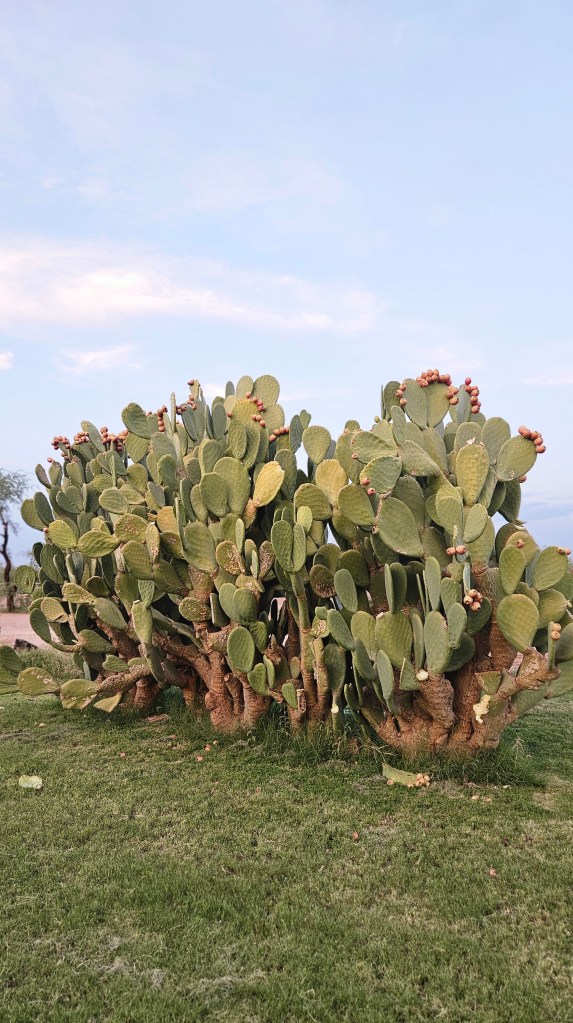
In the heart of the Sonoran Desert, one plant stands out not just for its resilience, but for its beauty, utility, and cultural significance: the prickly pear cactus. With paddle-shaped pads and jewel-toned fruit known as tunas, this desert native is more than just a pretty plant it’s a powerhouse of tradition, nutrition, and sustainability.

Fruiting Varieties Worth Growing
Not all prickly pears are created equal. Fruiting varieties like Opuntia ficus-indica, Opuntia engelmannii, and Opuntia robusta are prized for their sweet, vibrant fruit and edible pads (nopales). These cultivars thrive in Arizona’s climate, producing abundant harvests with minimal water—perfect for water-wise gardening.
– Opuntia ficus-indica: Large, juicy fruit with few seeds; ideal for jams and juices.
– Opuntia engelmannii: Native to the Sonoran Desert; smaller fruit, but rich in flavor.
– Opuntia robusta: Thick pads and striking purple fruit; great for ornamental and edible use.
Cultural Roots & Culinary Magic
For centuries, Indigenous communities across the Southwest and Mexico have cultivated prickly pear for food, medicine, and ceremony. The pads are grilled, sautéed, or pickled as *nopales*, while the fruit is transformed into syrups, candies, and even wine.
In Mexican and Southwestern cuisine, prickly pear is a staple—used in tacos, salads, aguas frescas, and desserts. Its vibrant magenta juice adds color and flavor to everything it touches.
Industries That Love the Prickly Pear
The prickly pear isn’t just a backyard favorite—it’s a rising star in multiple industries:
– Food & Beverage: Used in jams, jellies, teas, cocktails, and health drinks.
– Health & Wellness: Rich in antioxidants, fiber, and vitamin C; used in supplements and skincare.
– Textiles & Sustainability: Some innovators are using prickly pear to create vegan leather alternatives.
– Cosmetics: Prickly pear seed oil is a luxurious ingredient in high-end skincare products.
Why Everyone Should Grow One
Owning a prickly pear is like planting a piece of the desert’s soul. It’s low-maintenance, drought-tolerant, and gives back in spades—fruit, food, shade, and beauty. It supports pollinators, teaches patience, and connects you to centuries of cultural wisdom. Whether you’re a gardener, a cook, or a community builder, the prickly pear belongs in your landscape!
 Garden Social
Leave a comment