
How Arizona’s Unique Environment Heightens Pest Risks—and What You Can Do
– Austin Lynn, Garden Social Owner and Landscape Horticulture Expert
In desert regions like Maricopa and throughout Arizona, plants already live on the edge of environmental stress. Intense sun, low humidity, alkaline soils, and long stretches of heat push landscapes to their limits. When spider mites enter the picture, that stress can quickly turn into serious decline.
Spider mites are one of the most underestimated threats to plant health, especially in desert communities. Their microscopic size allows them to go unnoticed until their populations surge, often triggered by the warmth and dry air of spring in zone 9b. As temperatures rise, these pests become increasingly active, multiplying rapidly and preying on even the hardiest, desert-adapted plants. This is a problem I encounter regularly in my work as a horticulture expert, and left unchecked, spider mites can cause widespread damage. It’s essential for community members—gardeners, homeowners, and landscapers—to recognize their presence early and take action to protect the health and beauty of local landscapes.
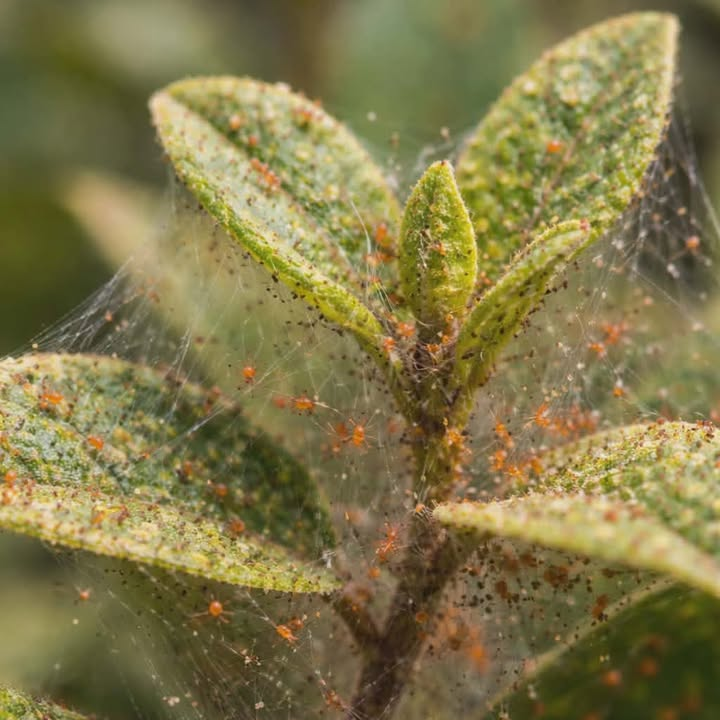
are extremely small and may not be visible to the naked eye.
The Silent Threat of Spider Mites
Spider mites are tiny arachnids—often too small to see without magnification—but their impact is anything but small. In hot, dry climates, they reproduce rapidly. A single infestation can explode in a matter of days during peak heat, especially when daytime temperatures consistently climb above 90°F.
Unlike many common garden pests, spider mites thrive in dry air. Desert conditions create the perfect breeding ground, allowing populations to multiply unchecked if not caught early.
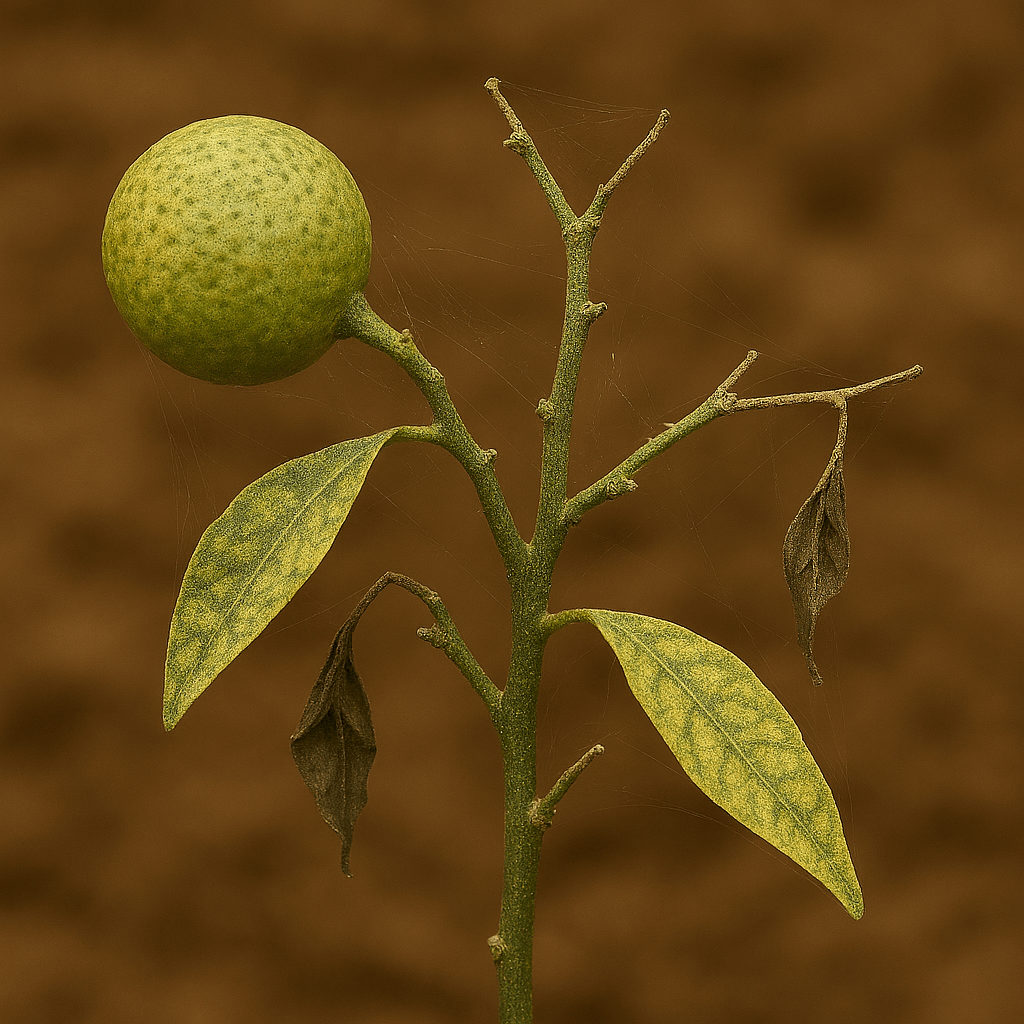
causing nutrient deficiency and increased risk of sunburn. (Computer generated image)
How Spider Mites Damage Plants
Spider mites feed by piercing plant cells and sucking out their contents. This results in:
- Fine stippling or speckling on leaves
- A dull, dusty, or bronzed appearance
- Premature leaf drop
- Reduced vigor and stunted growth
- Fine webbing between leaves and stems in severe cases
In desert landscapes, this damage compounds existing environmental stress. A shrub or tree already coping with extreme heat can quickly decline when its foliage is compromised. Weakened plants become more susceptible to disease, sunburn, and even permanent structural damage.
Most Susceptible Plants to Spider Mites in Zone 9b
Zone 9b’s warm, arid climate makes many popular landscape plants particularly vulnerable to spider mite infestations. Ornamental shrubs such as roses, hibiscus, cypress, rosemary and junipers are common targets, as their dense foliage provides an ideal environment for mites to thrive. Fruit trees—including citrus, peaches, and plums—often experience issues as well, especially when stressed by drought or heat.
In addition, vegetables like tomatoes, beans, and eggplants are highly susceptible, especially during prolonged dry spells. Many succulents, such as jade plants and echeveria, can also suffer damage if conditions are especially dusty and dry. Regularly monitoring these plants for early signs of stippling or webbing can help prevent severe infestations and maintain the health of your garden in zone 9b.
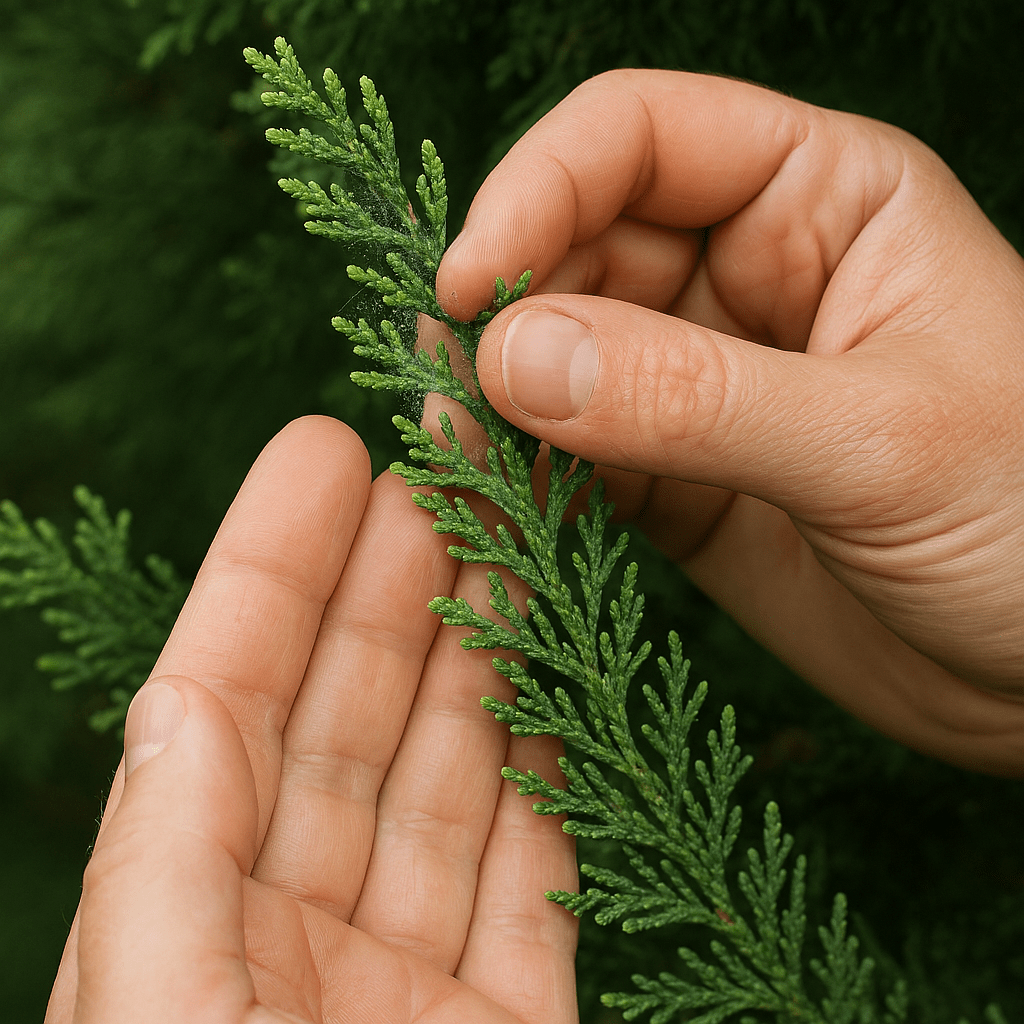
branch tips.
Why Early Detection Matters
Because spider mites are so small, many homeowners don’t realize there’s a problem until significant damage has already occurred. By the time webbing is visible, populations are often well established.
Early detection is critical. Catching an infestation in its beginning stages allows for targeted, less aggressive intervention and prevents widespread damage to surrounding plants. It also reduces the need for heavy chemical treatments that can disrupt beneficial insects in your landscape.
Desert-Specific Risk Factors
In desert regions, several factors accelerate spider mite problems:
- Extended heat waves
- Drought stress or inconsistent irrigation
- Dust buildup on leaves
- Overuse of certain insecticides that kill natural predators
Routine monitoring during the hottest months is one of the most effective ways to protect your landscape investment.
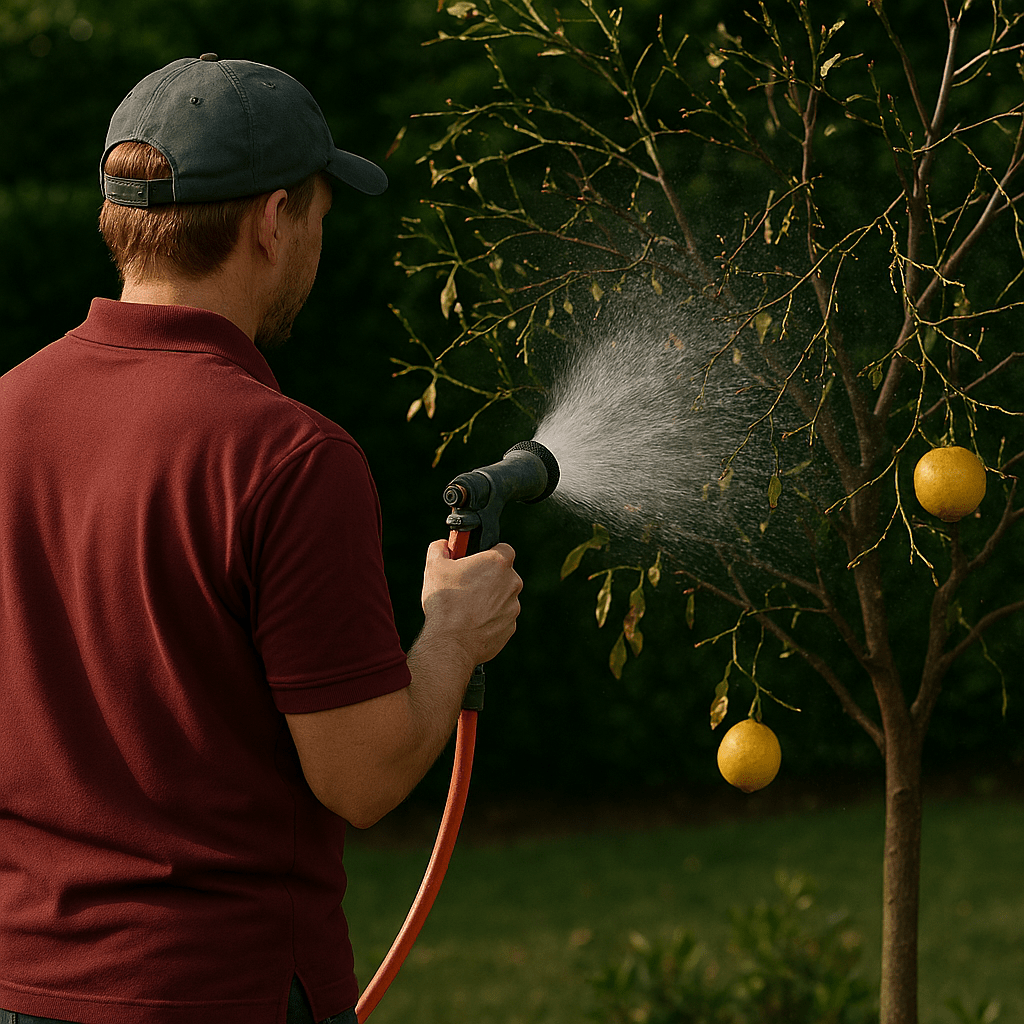
thrip. (Computer generated image).
Effective Treatment Options for Spider Mites
Managing a spider mite infestation starts with physical removal. Spray affected foliage with a strong stream of water from your hose, paying close attention to the undersides of leaves where mites congregate. This method knocks off mites and helps disrupt their webbing, making it harder for them to reestablish.
For persistent problems, consider gentle treatment options. Insecticidal soaps or horticultural oils are effective and less disruptive to beneficial insects. For ornamental plants, miticides specifically formulated for landscape use can offer targeted control—always follow label instructions and avoid using broad-spectrum products on edible crops.
Natural remedies like neem oil can also suppress spider mite populations while being safer for pollinators and the broader environment. Reapply these treatments every 5–7 days until the infestation subsides, and combine with environmental adjustments like increased humidity and regular dust removal for best results.
To further strengthen your plants’ defenses, Garden Social offers probiotic fertilizers—such as our ViGorator and ViCare products—which boost plant immunity and natural pest resistance. These products are available at our local garden center and can be integrated into your regular plant care routine for ongoing protection and vitality.
A Proactive Approach to Plant Health
At Garden Social, we understand the unique pressures desert plants face. Our team is trained in early pest detection, proper identification, and responsible mitigation strategies designed specifically for arid climates. We focus on restoring plant health while minimizing unnecessary chemical use.
Healthy plants start with awareness. Regular inspections, proper watering practices, and timely intervention make all the difference in preventing small issues from becoming major losses.
If your plants are looking stressed, speckled, or just “off,” don’t wait. Spider mites move fast in the desert—and so should your response.
For help with your plants, consider a team that cares. Choose Garden Social!

Garden Social is here for you!
In the ever-evolving journey of desert gardening, patience and adaptability are your greatest allies. As you face each season’s challenges and rewards, remember that you don’t have to grow alone. Garden Social is here to support you every step of the way.
Whether you’re seeking expert landscape and garden design, irrigation planning and system repair or installation, help with planting and soil preparation, our team is dedicated to transforming your outdoor space. We handle the hard work so you can savor the true joys of cultivating a beautiful and resilient desert garden. Let us partner with you—so your garden can flourish, season after season.
For more information, please feel free to check out any of the pages below – or visit us in person!
 Garden Social
Leave a comment