Why Nitrogen Matters in the Garden
Nitrogen is one of the most important nutrients in a plant’s life. It helps plants make chlorophyll for photosynthesis, build proteins for new growth, and produce the green, healthy leaves gardeners want to see.
When a plant has enough nitrogen, it usually looks fuller, greener, and more vigorous. When it does not, growth can slow down and leaves may start to fade or yellow. In desert landscapes, this can be a real challenge. Many desert soils are low in organic matter, which means they do not naturally hold or cycle nutrients as easily as richer garden soils. If the soil has also been disturbed, compacted, or dried out over time, that lack of nitrogen can become even more noticeable.
In regions like ours, gardening is not just about growing plants. It is also about rebuilding healthier soil.
What Is Nitrogen, and Why Is It Hard to Find in Desert Soil?
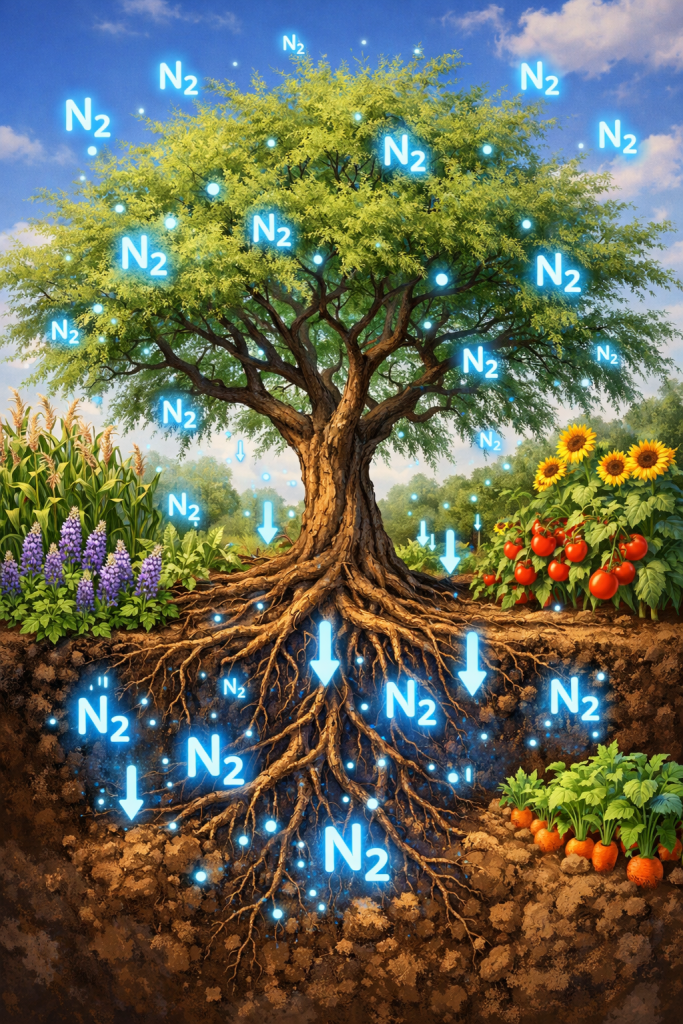
So what is nitrogen, exactly? Nitrogen is a natural element, and it makes up most of the air around us.
The surprising part is that plants cannot use it straight from the air. Before roots can absorb it, nitrogen has to be changed into forms plants can actually use, usually ammonium or nitrate.
That can happen through soil microbes, decomposing organic matter, lightning, and one of nature’s best partnerships: legumes and nitrogen-fixing bacteria.
In dry regions, that process often moves slowly. Alkaline soils, low organic matter, hard ground, and limited microbial activity can all make it more difficult for plants to access nitrogen.
So even though nitrogen is all around us, it is not always available where plants need it most: in the soil around their roots.
Before Modern Fertilizer: How Growers Built Nitrogen the Old-Fashioned Way
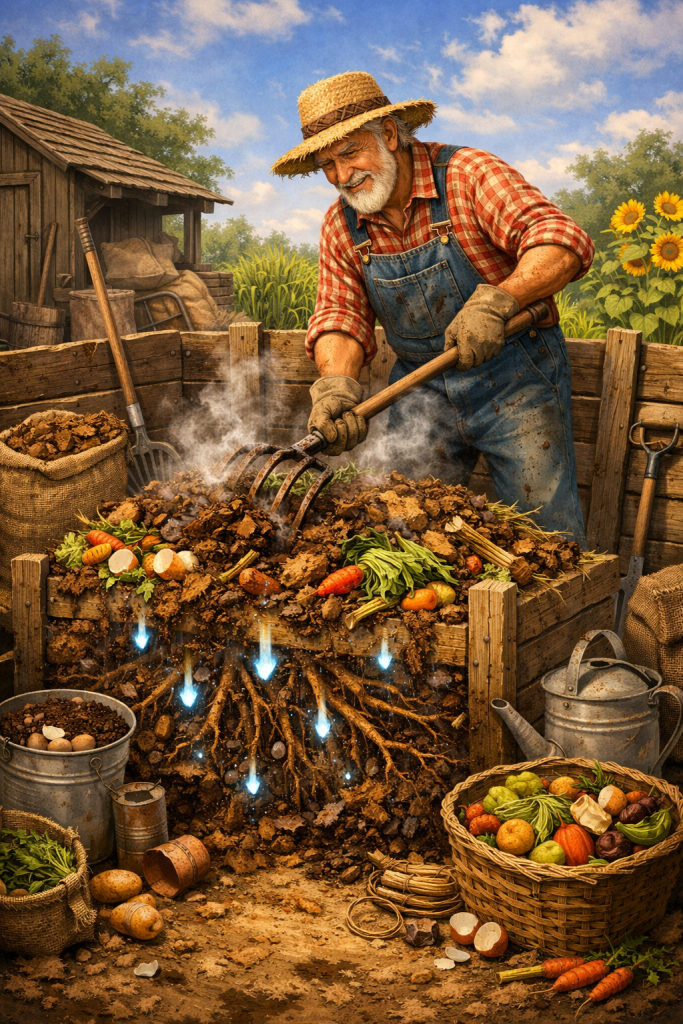
For most of history, farmers had to work hard to build nitrogen in their soil. They used compost, animal manure, crop rotation, cover crops, and rest periods for the land to slowly restore fertility.
In other words, healthy soil was something they built over time.
Later, modern fertilizer made nitrogen much easier to produce in large amounts, which changed agriculture around the world.
But quick access to fertilizer is not the same thing as a naturally healthy soil system.
In desert gardens, fertilizer can absolutely be useful when it is used thoughtfully.
But it does not automatically improve soil structure, support long-term soil life, or create the kind of balance you get from a living ecosystem.
That is why natural nutrient cycling still matters so much, especially if you want a landscape that becomes more resilient, more self-sustaining, and easier to care for over time.
Legume Trees and Their Nitrogen-Fixing Superpower
This is where legume trees really shine. A legume tree is a tree in the bean family, also called Fabaceae.
These trees are known for seed pods, but their real magic happens below ground.
Many legume trees work with beneficial bacteria called rhizobia, which live in small nodules on the roots.
Together, they help convert nitrogen from the air into forms that plants can use. In return, the tree provides the bacteria with sugars and a place to live.
It is a smart, natural partnership that can slowly enrich the soil over time.
Here in the Sonoran Desert, some of our most recognizable trees belong to this group, including mesquites, palo verdes, and ironwoods. These trees may feel familiar, but they are far from ordinary. They support local ecosystems, offer habitat and seasonal bloom, and help desert landscapes function in ways that go far beyond simple shade.
Legume Trees for the Sonoran Desert
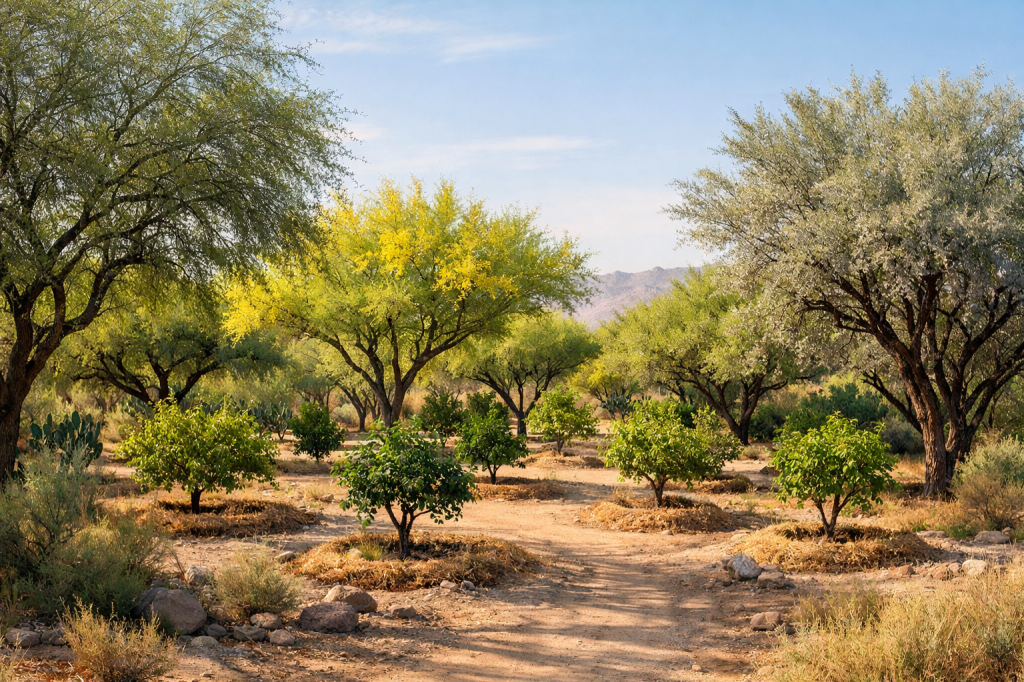
For landscapes in and around the Sonoran Desert, some of the best-known legume tree options include blue palo verde, foothill palo verde, desert ironwood, and native mesquites such as velvet mesquite.
Depending on your space, you might also consider other desert-adapted relatives used as ornamentals, like certain acacias or thornless palo verde hybrids.
Blue palo verde is loved for its bright spring blooms and fast, airy shape. Foothill palo verde has a more rugged look and excellent drought tolerance.
Velvet mesquite offers filtered shade and classic desert character. Desert ironwood brings beautiful flowers, strong habitat value, and a bold, sculptural presence in the landscape.
How Nitrogen-Fixing Trees Can Transform Your Landscape
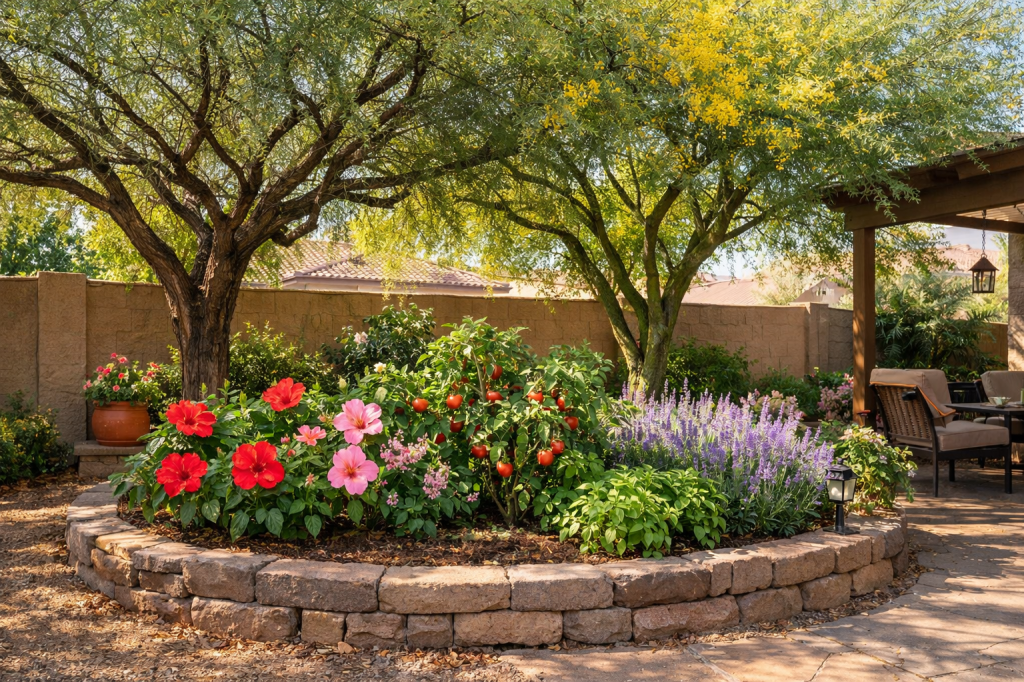
When you add nitrogen-fixing legume trees to your yard, you are doing more than planting a tree. You are investing in the long-term health of your landscape.
Many of these trees grow reliably once established and are well adapted to alkaline soil, heat, drought, and challenging native ground. That means they often need less fuss than trees that are not built for desert life.
Why the Rest of Your Garden Benefits Too
That benefit does not stop with the tree itself. Healthier soil and a gentler microclimate can help the rest of your garden too.
Plants growing nearby may enjoy better moisture retention, more filtered light, and a more active soil ecosystem.
A mesquite near a seating area can create welcome shade in summer. A palo verde can soften a hot western exposure. An ironwood can become a long-term anchor in a habitat-focused landscape.
When choosing the right tree, it helps to think about mature size, canopy spread, thorniness in some varieties, and how much seasonal leaf or pod drop you are comfortable with.
The right choice can bring beauty, function, and a stronger sense of place to your yard.

Garden Social is here for you!
In the ever-evolving journey of desert gardening, patience and adaptability are your greatest allies. As you face each season’s challenges and rewards, remember that you don’t have to grow alone. Garden Social is here to support you every step of the way.
Whether you’re seeking expert landscape and garden design, irrigation planning and system repair or installation, help with planting and soil preparation, our team is dedicated to transforming your outdoor space. We handle the hard work so you can savor the true joys of cultivating a beautiful and resilient desert garden. Let us partner with you—so your garden can flourish, season after season.
For more information, please feel free to check out any of the pages below – or visit us in person!


Leave a Reply